
Peugeot 2008 1.5 BlueHDi Review: Real Test & Known Issues
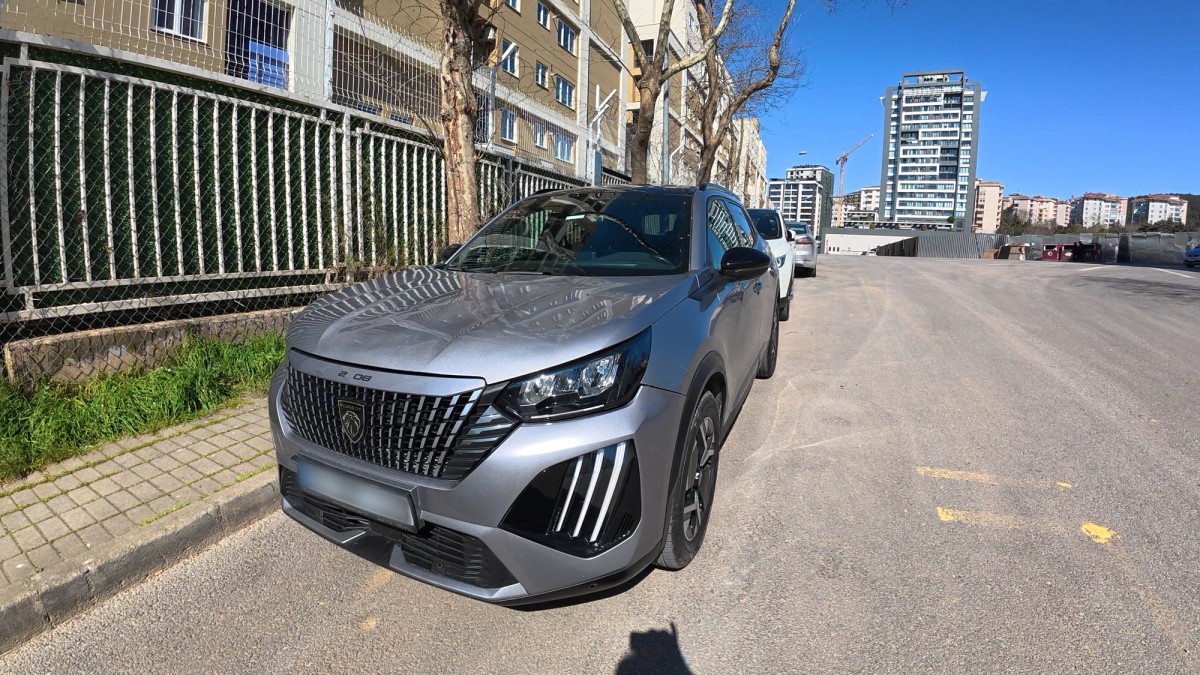
General Information – Peugeot 2008
The Peugeot 2008 is one of the most popular models in the B-SUV (compact SUV) segment — arguably one of the most competitive battlegrounds in today's automotive world. Built on Stellantis Group's lightweight and flexible CMP (Common Modular Platform), the car rolls off the production line primarily at Peugeot's factory in Vigo, Spain, destined for both the European and Turkish markets.
Market Position & Sales Success The numbers speak for themselves. Throughout 2025, the 2008 crossed the 16,500-unit mark in Turkey alone, securing its place among the top three best-selling models in its class. Across Europe — particularly in powerhouse markets like France — it consistently features in the top 5 best-selling cars overall, month after month.
Main Rivals Competition in the B-SUV space is fierce, and the 2008 doesn't have it easy. Its key rivals include:
- Renault Captur
- Volkswagen Taigo
- Ford Puma
- Nissan Juke
- Opel Mokka
- Hyundai Bayon
Despite the tough competition, the 2008 holds its own at the premium end of the segment, available in three trim levels: Active, Allure, and GT.
Now that we've covered the basics, it's time to get into the good stuff — engine, gearbox, fuel consumption, insulation, driving feel, and yes, even the known issues. If there's a specific topic you'd like to jump to, just tap the section headers above and you'll land right where you want to be.
Peugeot 2008 Engine (1.5 BlueHDi)
Under the hood of the Peugeot 2008 lies a 1.5-liter turbo diesel engine producing 130 horsepower and 300 Nm of torque. To briefly break down the terms in its name:
- HDi (High-pressure Direct Injection): High-pressure direct injection diesel engine technology.
- Blue: This means lower emissions, thanks to the AdBlue used in conjunction with the SCR (Selective Catalytic Reduction) system.
Based on my own driving experience, I can confidently say this: the moment you step on the gas, you clearly feel that 300 Nm of diesel torque. It easily meets expectations on the performance front. When the 1.5 diesel is paired with the EAT8 fully automatic transmission, the result is a drive that is both smooth and highly enjoyable. I will get into the fuel consumption later, but let me tell you right off the bat—its efficiency is truly fantastic.
What About Engine Noise? In my own test, this was very clear: in cold weather and especially during initial acceleration, that typical diesel clatter is quite noticeable. Foreign reviews often praise the cabin insulation and engine quietness. They aren't wrong; as the car warms up and speeds up, the cabin genuinely becomes quiet. So, the noise here isn't entirely due to a lack of insulation; it simply comes from the engine's nature at low RPMs.
Chronic Diesel Issues & The Real Deal: The Chain (The 7mm vs. 8mm Situation) So, is this engine flawless? People are pretty divided due to DPF (Diesel Particulate Filter) and AdBlue issues. To be honest, I have almost never heard of any modern diesel car where the DPF and AdBlue didn't eventually cause some problems. These aren't specific to the 2008; they are just in the nature of modern diesels.
However, the real issue that sets this engine apart from others is the camshaft chain. Please note, we are not talking about the main timing belt, but rather the small chain connecting the two camshafts.
Let me break it down step-by-step:
- The Problem: In 1.5 BlueHDi engines manufactured until early 2023, this chain is 7mm thick (21 teeth). Over time, this 7mm chain stretches and wears out.
- The Symptoms: While the engine is running, a distinct "jingling" or rattling noise starts coming from the top. If you don't intervene and the chain snaps, the engine loses its timing, the pistons hit the valves, and it causes a massive engine repair bill.
- The Fix (The 8mm Upgrade): The Stellantis group recognized this situation and updated the system in early 2023. They upgraded the chain to 8mm (22 teeth). The new 8mm chain is very robust and problem-free.
- Transitioning from 7mm to 8mm: You cannot directly replace the old 7mm chain with an 8mm one. Because the diameter of the new chain is larger, it doesn't fit the old cover; therefore, the camshafts, the chain, and the upper cover must be replaced entirely as a compatible 8mm set.
- The Oil Detail: To prevent this chain issue and increase protection, the manufacturer started recommending the use of 5W-30 oil in these engines.
In summary: If you are buying a 2008 from 2023 onwards with an 8mm chain, or if you've found a car that has been overhauled with the 8mm set, you can just sit back and enjoy this fantastic engine-gearbox duo.
Transmission – Peugeot 2008 EAT8
The EAT8 fully automatic transmission used in the Peugeot 2008 is a torque converter gearbox manufactured by Aisin. This means it is not performance-oriented like a classic dual-clutch (DCT); rather, its architecture is built entirely around comfort, durability, and smoothness.
How is the driving character? In line with my own driving experience:
- Gear shifts are smooth and jerk-free
- It feels very refined in daily use
- Highly successful at low speeds (heavy traffic, parking maneuvers)
The whole point of this gearbox is to "work without you noticing it." It is not highly aggressive during sporty driving, but frankly:
- A normal driver wouldn't even notice this difference.
The Performance Side Is the EAT8 a fast gearbox?
- Not as "instantaneous" as a dual-clutch
- But not laggy either; it is very well-balanced
When paired with the 1.5 BlueHDi:
- It handles the torque beautifully
- It doesn't hunt for gears unnecessarily
- It cruises at low RPMs on long journeys, providing both comfort and fuel economy
Durability and Reliability This is the EAT8's strongest suit:
- It is widely known as a long-lasting transmission
- Very low probability of causing major issues, even at high mileages
- This is exactly why it is frequently used in fleet vehicles
This gearbox isn't exclusive to Peugeot; it is also used in Citroën, Opel, and even some Toyota models.
Are there any known issues? Looking at the overall picture:
- There is no widespread, chronic "ticking time bomb" issue.
Rarely, you might hear about:
- Slight hesitation at very low speeds
- Minor delays when the engine is cold ...but these are not serious problems at all.
Even though the manufacturer claims the transmission fluid is for a "lifetime":
- Changing the fluid around 60,000–80,000 km is the logical move to ensure true longevity.
Fuel Consumption – Peugeot 2008 1.5 BlueHDi
Let's get to arguably the most praised and satisfying aspect of this car: fuel consumption. The 1.5 BlueHDi and EAT8 combo is one of the most economical setups in its class.
Putting aside the optimistic factory figures, here is what you can expect in the real world based on everyday user experiences:
- City Driving (Heavy Traffic): 5.5 – 6.5 L / 100 km
- Highway (90-110 km/h cruising): 3.8 – 4.5 L / 100 km
- Mixed Driving (Average): 4.5 – 5.5 L / 100 km
- Fast Highway Driving: Even during high-speed, fast-paced driving on open roads like the Northern Marmara Highway (130+ km/h), consumption rarely exceeds the 6.0 – 6.5 liter mark.
Equipment & Interior – 2024 Allure Trim
With the 2024 facelift, the Allure trim has reached a highly satisfying level both visually and technologically. So, what exactly does this package offer?
Standout Features:
- i-Cockpit & Vibrant Screens: Peugeot's signature compact steering wheel and raised instrument cluster provide a fantastic driving feel. The 10-inch digital instrument panel and the 10-inch central touchscreen—which became standard with the 2024 model—are incredibly vibrant, colorful, and responsive.
- 360-Degree Camera: The high-resolution 360-degree camera system (Visiopark) makes reverse and parking maneuvers a breeze with its crystal-clear display.
- Exterior Look: The new-generation Peugeot shield logo, the signature 3-claw LED lights, and tinted rear windows give the car a very aggressive and premium stance.
In summary: Even though it sits in the middle-upper tier of the lineup, it offers a cabin that appeals to the eye and fully delivers that "premium" feel with its technology, high-quality screens, and cameras.
Interior Space & Boot – Peugeot 2008
Looking at its dimensions, the Peugeot 2008 is truly a "compact yet efficient" B-SUV. But when it comes to sheer spaciousness, some rivals in the segment edge ahead a bit.
Boot Capacity
- 434 liters of standard boot space
- Expands up to ~1496 liters with the rear seats folded down
- This value: Quite good for the segment, ranking in the upper tiers.
Comparison with Rivals (The Most Important Part)
- Renault Captur: 484–616liters (sliding rear seat advantage) ✔ More flexible and practical.
- Volkswagen Taigo: Good boot, but rear headroom is limited due to its coupe-like shape.
- Ford Puma: Very useful with the "MegaBox" under the boot floor, one of the best for practicality.
- Nissan Juke: Tight rear living space; the 2008 is definitely more spacious.
- Opel Mokka: Both the boot and rear legroom are smaller than the 2008.
- Hyundai Bayon: Surprisingly spacious interior, offering a great price-to-space ratio.
How is the Interior Living Space?
- Front: ✔ Spacious and modern (the i-Cockpit has a huge positive effect).
- Rear Seats: ➖ Legroom is just "okay." ➖ It doesn't give off a very spacious family car vibe.
- Overall feel: A more driver-focused cabin that can feel slightly snug for rear passengers.
Quick Verdict Is the Peugeot 2008 a massive B-SUV? Not really. It’s well-balanced but not the "most spacious" in its class.
- Boot → Good
- Front living space → Good
- Rear space → Average
Peugeot 2008 Chronic Problems (The Juiciest Part)
Here we are at the most anticipated section. Without beating around the bush, let's bullet-point the most common chronic and potential issues users face with the Peugeot 2008 1.5 BlueHDi:
- Camshaft Chain (The 7mm Issue): Risk of premature wear, jingling noise, and snapping. Resolved with the 8mm chain in 2023+ models. (We explained the details and the fix in the "Engine" section).
- AdBlue Tank and Pump Failure: Crystallization in the system causing warnings and often requiring a complete tank replacement.
- DPF (Diesel Particulate Filter) Clogging: Especially problematic if the car is strictly driven on short city trips.
- Exhaust Emission and EGR Warnings: Annoying engine/emission check lights popping up due to carbon buildup in the EGR valve or momentary sensor glitches.
- Rear Window/Door Seals Flattening: The seals wearing out over time and letting excess wind and road noise into the cabin, leading to a costly replacement. (Details in the "Insulation" section).
- Multimedia Screen Freezing: The infotainment screen sometimes freezing, going black, or rebooting itself out of nowhere while driving (A very common software quirk across the Stellantis/PSA group).
Review Score
Drivisual Verdict
"The Peugeot 2008 1.5 BlueHDi EAT8 is one of those rare B-SUVs that pleases both the eye and the wallet. With its muscular design, high-tech i-Cockpit, and one of the smoothest transmissions in its class (EAT8), daily driving is an absolute joy. If you do a lot of highway driving, its fuel economy is simply unbeatable. Who Should Buy It, and Who Should Avoid It? If you strictly drive short distances in heavy city traffic, modern diesel headaches (like the DPF and AdBlue) might frustrate you. If you are buying used, you must pay close attention to the infamous 7mm camshaft chain issue and the rear door seals. However, if you find a 2023 or newer model (or one with the 8mm chain upgrade), it is a beautifully balanced, comfortable, and highly stylish compact SUV that you can buy without hesitation and enjoy for years."
Pros
- Punchy Engine: 300 Nm of torque provides very satisfying pulling power on hills and mid-range acceleration.
- Excellent Fuel Economy: Extremely wallet-friendly with a mixed consumption of 4.5 - 5.5 L/100 km.
- Flawless Gearbox: The Japanese Aisin (EAT8) automatic transmission is smooth, decisive, and highly reliable.
- Premium Interior: The i-Cockpit layout, vibrant 10-inch screens, and high-resolution 360° camera feel very upscale.
- Striking Design: One of the most muscular, aggressive, and eye-catching exteriors in its class.
- Practical Boot: A flat loading lip and a generous 434-liter capacity.
Cons
- Chain Risk: The dreaded 7mm camshaft chain wear and snapping risk on pre-2023 engines.
- Modern Diesel Headaches: Potential AdBlue pump failures and DPF clogging from short city trips.
- Insulation Quirks: Wind noise at high speeds, and road noise entering the cabin due to rear seals flattening over time.
- Rear Space: While legroom is adequate, it's not the most spacious in its class (doesn't feel as practical as a Captur or Puma).
- Software Glitches: The infotainment screen occasionally freezes or reboots itself unexpectedly.