
New Nissan X-Trail Review: Comfort, Tech and Real-World Expectations
INTRODUCTION
In this test, our guest is the Nissan X-Trail 1.5 VC-Turbo. Under the hood sits a 3-cylinder turbocharged petrol engine producing 163 HP and 300 Nm of torque. The version sold in Türkiye comes with a 48V mild-hybrid system paired with a CVT automatic transmission. In short, this vehicle aims to be a modern family SUV focused on city and long-distance comfort, with a spacious interior and a relaxed driving character.
However, setting the right expectations is important. Although the X-Trail looks like a large and rugged SUV, the version sold in Türkiye is front-wheel drive and powered by a 3-cylinder engine. It also lacks the snow, mud, or sand drive modes found in many competitors, offering only Eco, Standard, and Sport modes. For this reason, it is more accurate to evaluate this version as a large family SUV designed primarily for city and highway use rather than a true off-road SUV. This review is not sponsored or part of a brand invitation. We sourced the vehicle ourselves and tested it in real-world user conditions. Seeing many reviews released at the same time under brand direction, we especially wanted to emphasize that this test is completely independent.
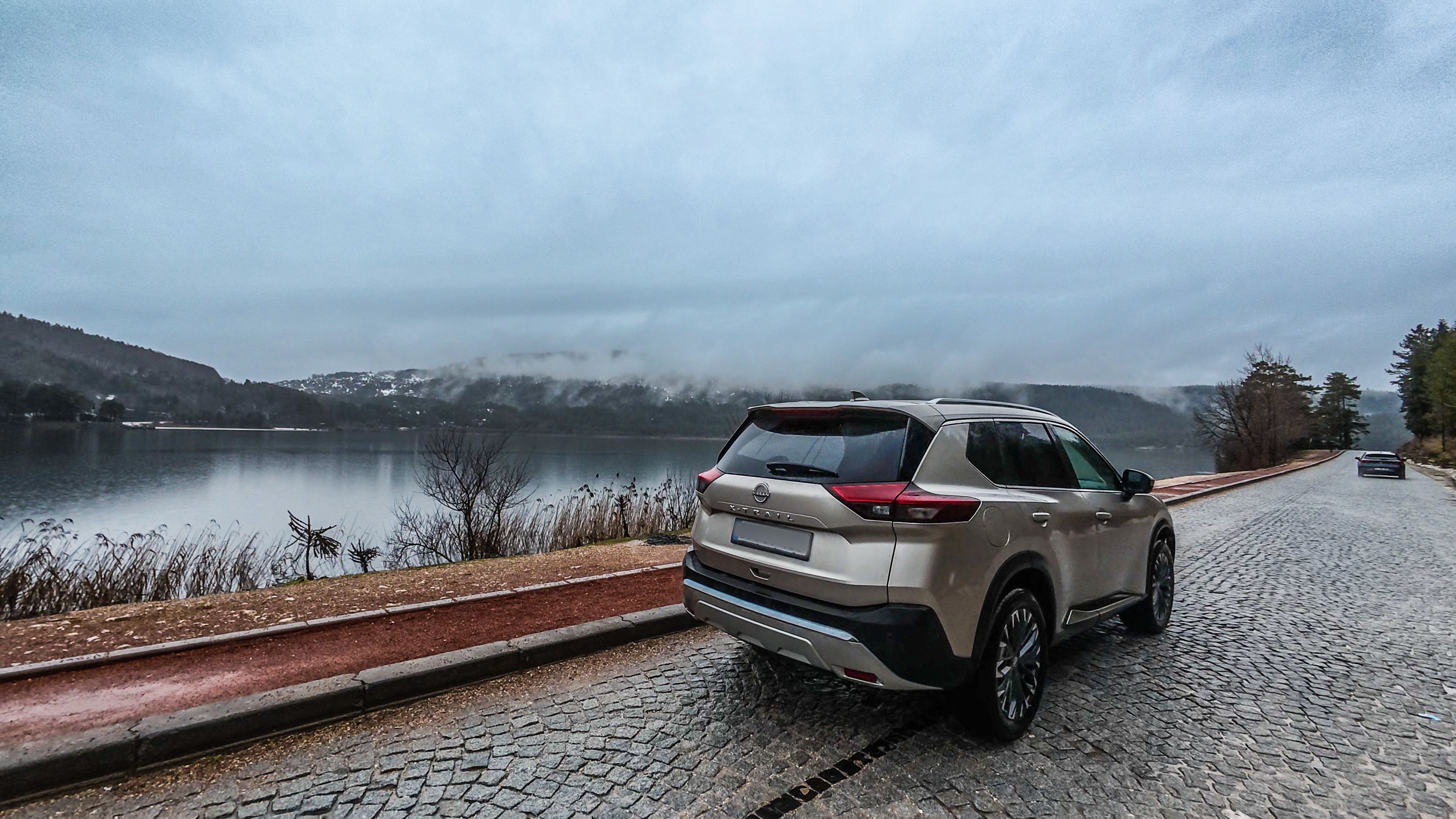
Nissan Xtrail 2025
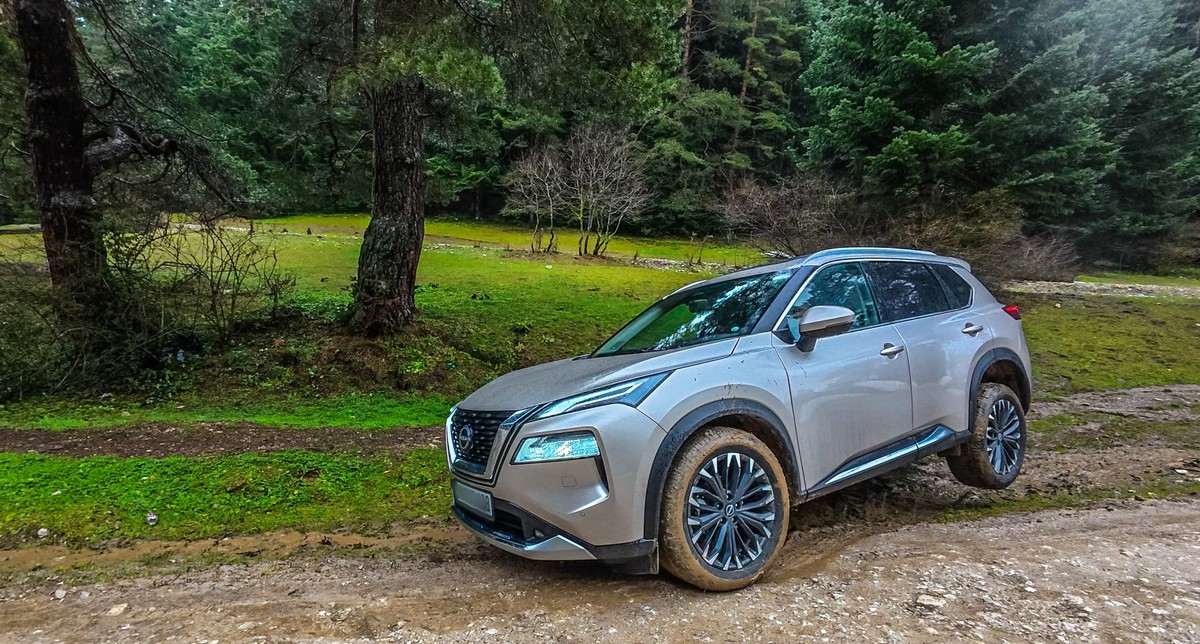
We drove the vehicle for a total of 510 km. Around four hours of highway driving, strong winds, rainy weather, twisty mountain roads, and light off-road conditions were all part of this test. Aside from getting stuck in mud, the X-Trail delivered the expected performance in nearly every situation we encountered. While our first impressions are positive, this article will go beyond a short-term test.
In this review, we aim to combine not only our own experience but also long-term owner feedback, forums, and other reviews to create a more comprehensive guide. In other words, we will discuss both what we experienced and the potential pros and cons owners may face. We will especially focus on the engine and transmission in dedicated sections.
Now let’s take a closer look at the Nissan X-Trail as sold in Türkiye.
Nissan Xtrail
This 163 HP version comes with a 1.5-liter 3-cylinder engine supported by a mild-hybrid system. In daily use, our first impression on the performance side was that the engine feels more responsive than expected. It delivers adequate liveliness, especially during mid-range acceleration. Although the CVT transmission slightly softens this performance by nature, considering that we are driving a comfort-focused family SUV, this was not a major drawback for us.
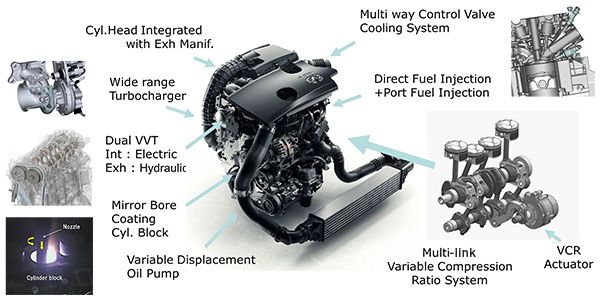
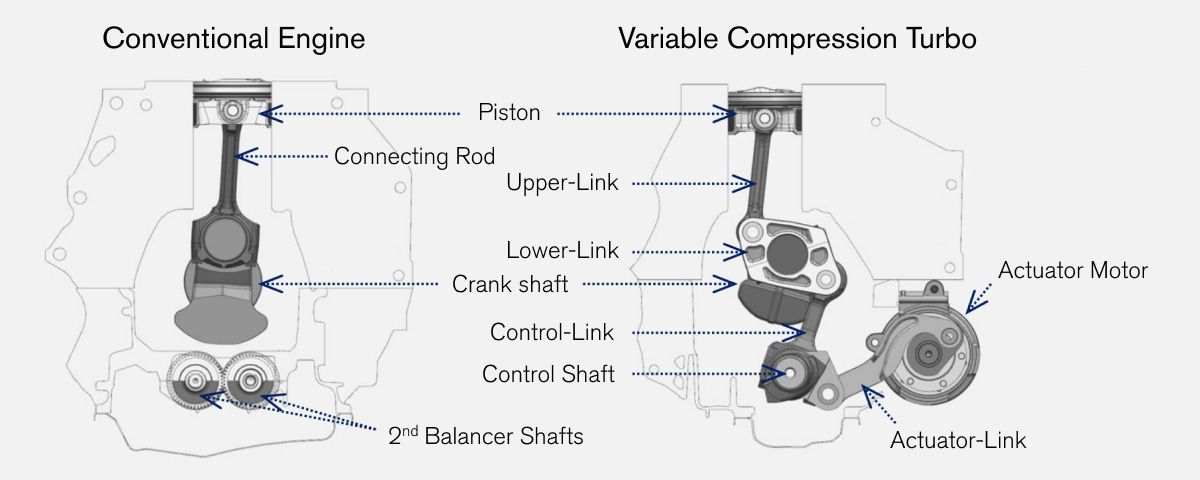
When developing this engine, Nissan focused primarily on efficiency and emissions rather than outright performance. The most important feature of this engine, called VC-Turbo, is its variable compression ratio technology. Nissan began researching this technology in 1998 and became the first manufacturer to mass-produce a variable compression engine. It is also stated that hundreds of patents were filed during this development process.
The working principle of the system is quite fascinating: the multi-link mechanism inside the engine physically changes the piston’s travel within the cylinder, allowing the compression ratio to be adjusted in real time. When needed, the compression ratio is lowered to increase performance, while under steady cruising and low load, the engine operates similarly to an Atkinson cycle to reduce fuel consumption. This approach aims to balance both performance and efficiency.
Nissan Xtrail Engine
At this point, it’s also worth noting that although VC-Turbo is a highly innovative technology, there have been investigations and user feedback—particularly in the U.S. market—regarding this engine family. We will address these topics in more detail later in the article.
Engine Reliability & Known Issues (VC-Turbo Reality)
Nissan’s 1.5-liter VC-Turbo engine is a technically fascinating unit. Thanks to its variable compression ratio technology, it aims to balance both efficiency and performance. However, because this engine is relatively new and highly complex, a natural question arises: Will it cause problems in the long term?
When user experiences, forums, and global recall data are examined, the overall picture actually becomes quite clear.
No Widespread Chronic User Issue
Looking at user feedback from different countries, there is no clear pattern of a recurring, widespread chronic failure associated with this engine. In Türkiye in particular, when user comments and complaint platforms are reviewed, there is no repeated pattern of the same engine failure appearing over and over.
This is important because truly problematic engines (for example, those with timing chain, oil consumption, or turbo failures) tend to accumulate large volumes of complaints very quickly. For the VC-Turbo engine, this kind of widespread complaint density is not present.
However, this does not mean the engine is completely problem-free.
2025 VC-Turbo Engine Recall
In 2025, Nissan initiated a significant global recall process for the VC-Turbo engine family. This recall mainly affected certain Nissan and Infiniti models in the U.S. market.
The most important detail:
The issue did not affect all production — only a specific production batch.
The recall was caused by a potential manufacturing defect in certain internal engine bearings (main bearings and connecting components). If these parts failed, it could lead to engine damage or engine failure.
Within the scope of the recall:
- Vehicles were inspected at service centers
- Engines were replaced free of charge when necessary
- The engine warranty for affected vehicles was extended to 10 years / 120,000 miles
The most critical detail:
👉 The issue was stated to affect approximately 1.2% of the production batch.
In other words, this is not considered a widespread chronic problem, but rather a production-quality issue limited to a specific batch.
Realistic Risk Analysis of This Engine
When all available data is combined, the overall picture can be summarized as follows:
Positive aspects
- No widespread user complaints
- No reported chronic turbo, timing chain, or oil consumption issues
- Warranty extended after the major recall
- The manufacturer acknowledged the issue and implemented a solution
Points to consider
- The engine is complex and based on new technology
- Long-term 10+ year durability data is still limited
- The recall shows that production tolerances are very sensitive
Overall Evaluation
Based on current data, it would not be accurate to label Nissan’s 1.5 VC-Turbo as a “chronically problematic engine.” Existing evidence suggests the recall was limited to a specific production batch and was officially resolved by the manufacturer.
The most accurate description of this engine today would be:
A new technology engine with a low history of chronic failures, whose long-term durability will become clearer over time.
CVT Transmission Reliability – What’s the Situation in the New X-Trail?
When it comes to the Nissan X-Trail, another topic discussed almost as much as the engine is the CVT transmission. Because of the reputation created by Jatco-built CVTs in previous generations, this remains a question mark for many users.
First, it’s important to briefly look at the past.
During the 2010s, Nissan used CVT transmissions across a wide range of models, and older generations received heavy criticism due to higher failure rates. Issues such as overheating, slipping, vibrations, and high repair costs were frequently reported. This reputation affected the perception of the X-Trail and similar Nissan models for many years.
However, the picture appears somewhat different for the new-generation CVTs (post-2019).
The latest Jatco CVTs are said to have been thoroughly revised, with significant improvements in durability and cooling. When user feedback is examined, there is no strong evidence of a widespread recurring transmission issue for the latest-generation X-Trail (T33 / MK4). The large-scale failure wave seen in older generations does not appear to be present.
This represents an important shift.
Based on forums and owner feedback, the most common comments about the new X-Trail are:
- Very smooth and comfortable in city driving
- Contributes positively to fuel efficiency
- Well suited to everyday driving character
That said, it would not be accurate to claim a completely problem-free picture.
There are still occasional cases of transmission failure, and when they do occur, repair costs are known to be quite high. Due to the nature of CVT transmissions, overhaul or replacement costs can be more expensive than those of traditional automatic transmissions.
For this reason, the most repeated advice among users is clear:
Maintenance is critical.
The biggest enemies of CVT transmissions are:
- Aggressive driving
- Frequent kick-down usage
- Heavy loads combined with hard driving
- Neglected transmission fluid changes
Regular CVT fluid replacement is widely emphasized as a key factor for long-term durability.
To summarize the overall picture for the new-generation X-Trail:
- The bad reputation of older CVTs still affects perception
- No widespread chronic failure pattern is visible in the new generation
- Rare failures can still occur
- Maintenance and driving style are more critical than ever
In short, the CVT in the new X-Trail is no longer a “major red flag,” but it remains a topic that deserves a cautious and informed approach.
Driving, Performance & Handling
Nissan Xtrail
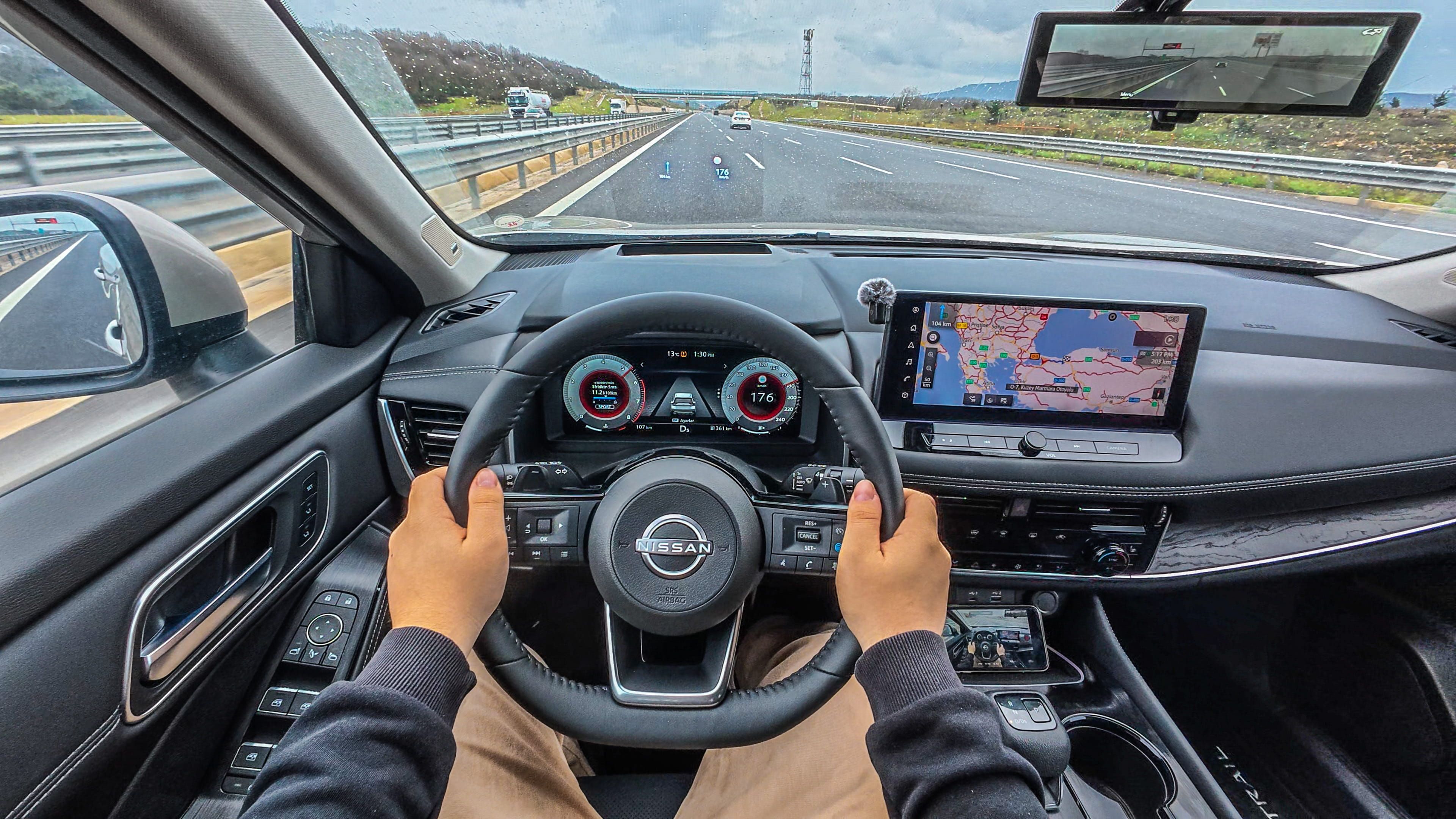
Driving dynamics turned out to be one of the areas where this car exceeded my expectations. Because of the 3-cylinder engine, it’s easy to assume performance might feel weak—but in practice, that’s not the case. In daily driving, the car feels quite responsive and delivers enough liveliness, especially during mid-range acceleration. Of course, no one can guarantee long-term durability, but from a driving dynamics perspective, the engine clearly feels capable of moving the vehicle comfortably.
On the handling side, we pushed the car a bit and the overall result was confidence-inspiring. Due to its body structure and tall stance, there is a slight body roll in fast corners, which is completely normal for this class. What stood out most was the sense of stability and confidence at high speeds, especially in rainy and windy conditions. Overall, the driving character feels calm, stable, and reassuring.
Braking performance was one of the first things I liked. The brake pedal can initially feel slightly soft or empty, but this actually allows very precise modulation. Some drivers may interpret this as weak braking, but in reality, the opposite is true. In our braking test, the car delivered strong and confidence-inspiring stopping power.
Comfort is one of the X-Trail’s strongest areas. Throughout the long journey, the cabin remained calm and relaxing. The commonly mentioned vibration concerns about 3-cylinder engines were not noticeable in this vehicle. In fact, comments claiming the car becomes unpleasant to drive due to vibration didn’t match our experience at all. Both driver and passengers were highly satisfied during the test.
However, there is an important point to highlight. The exterior design creates a strong and rugged SUV impression, which naturally makes you feel like you can take the car anywhere. But the front-wheel-drive layout significantly limits that expectation. I experienced this firsthand. At the same location, I had previously driven through more difficult conditions with a Peugeot 3008 (using either Mud or Snow mode) without any issue, clearly feeling the benefit of those driving modes.
With the X-Trail, things didn’t go as expected. The car lost traction and couldn’t get out on its own—I needed external help to get moving again. This experience clearly shows that despite its rugged appearance, expectations for challenging terrain should be kept realistic.
In conclusion, the X-Trail delivers a comfortable, safe, and sufficiently powerful driving experience for a family SUV. However, there is a small gap between the “go anywhere” impression created by its design and its real-world driving character.
Fuel Consumption
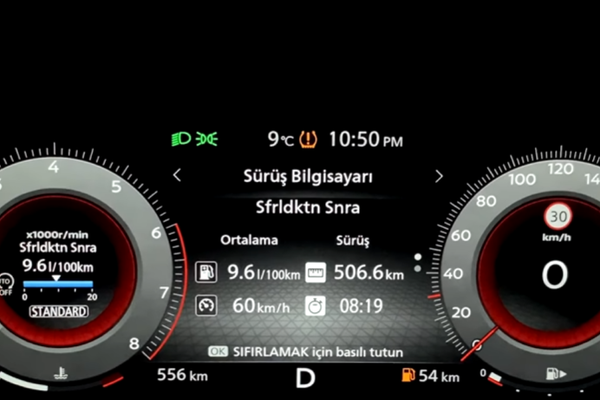
Fuel economy was one of the most interesting parts of our experience, and I specifically highlighted it at the end of the video. We drove the car for a total of 510 km, almost constantly at high speeds. Most of the drive was between 160–180 km/h, with the lowest speeds around 140 km/h. On top of that, the weather conditions were far from ideal—rain, poor road surfaces, continuous uphill driving, and even a short muddy section were all part of the test. The car carried three passengers and a fully loaded trunk. With a curb weight of 1,629 kg, it’s fair to say the vehicle was operating at around 1,850 kg in real conditions.
At the end of this demanding driving scenario, achieving an average fuel consumption of 9.6 L/100 km was genuinely impressive. Under these conditions, seeing this number clearly shows that Nissan achieved its efficiency goals with this engine option.
I can confidently say that if the car had been driven at normal speeds and in a calmer manner, reaching the official 7.1 L/100 km factory figure would have been very realistic. This means a large SUV weighing around 1.6 tons can approach the fuel consumption of a Clio 1.0 TCe. In some scenarios, it may even prove to be more economical.
Nissan Xtrail Fuel Consumption
Safety & Driver Assistance: Systems That Truly Deliver on Long Journeys
I had the opportunity to use the adaptive cruise control and lane keeping systems extensively, and I can confidently say they are among the best I’ve experienced so far. On long trips, these technologies noticeably reduce driver fatigue.
The adaptive cruise control feels very natural. It doesn’t brake suddenly or unnecessarily when following traffic, and the transitions between acceleration and deceleration are impressively smooth. The lane keeping system manages to keep the car centered without giving that artificial “fighting the steering wheel” sensation that many vehicles suffer from.
One of the features that stood out the most during long drives was the driver fatigue warning system. It doesn’t issue unnecessary alerts; instead, it steps in and suggests a break right when you genuinely start to feel tired. This shows the system is tuned to be useful rather than simply exist on paper.
Overall, these driver assistance systems make a significant contribution to long-distance comfort and make the car feel much more relaxing and confidence-inspiring on highway journeys.
Infotainment & Technology: Not Class-Leading, But More Than Good Enough
Nissan Xtrail Photo: Nissan
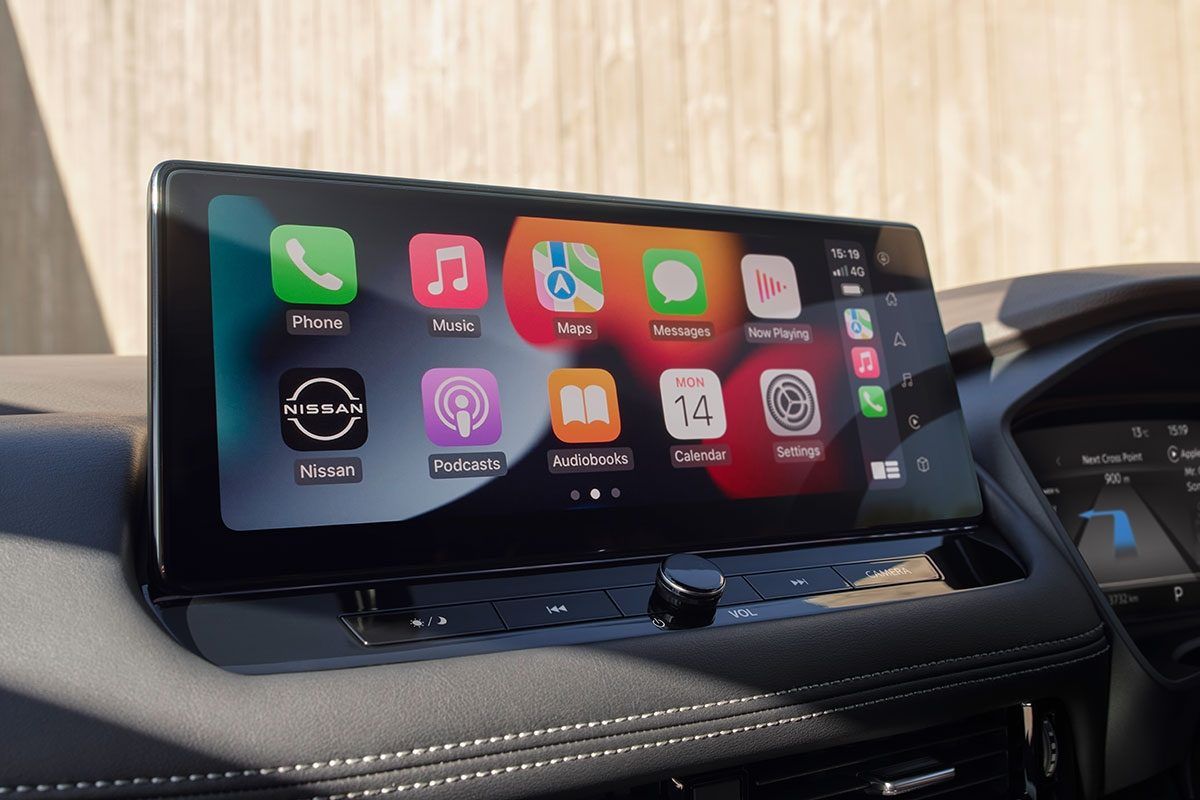
Although the multimedia system sits slightly behind some rivals, it completely breaks the old stereotype of “Japanese infotainment is bad.” It may not be the best in the class, but it delivers everything you need for daily use in a stable and reliable way.
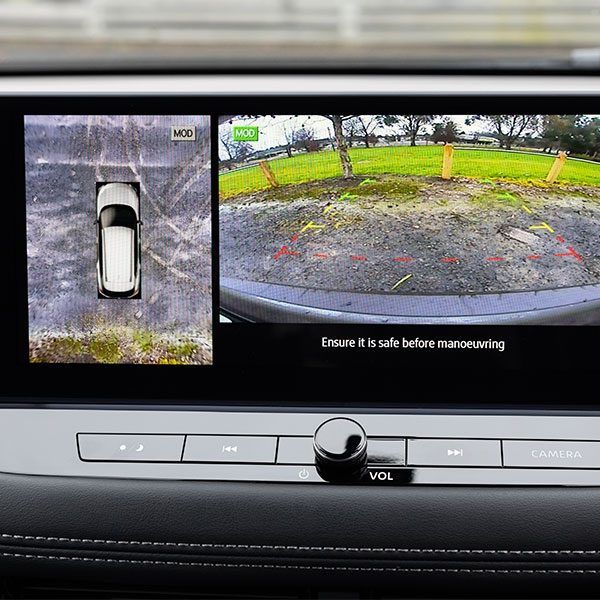
Wireless Apple CarPlay and Android Auto are both available and work seamlessly — which is now a must-have feature in this segment. The reversing camera quality is better than expected, and the 3D surround-view camera system adds a lot of confidence during parking manoeuvres, making the large body much easier to handle in the city. The wireless charging pad is another small but very practical everyday convenience.
Nissan Xtrail Photo: Nissan
My favourite detail is the fact that physical buttons for the climate and audio systems are still preserved. It may look old-school to some, but trying to control everything through a screen while driving can be genuinely tiring. Being able to reach physical controls without taking your eyes off the road makes a huge difference in usability. Considering how many modern cars have abandoned this approach, this decision is very valuable from an ergonomics perspective.
The Premium Platinum trim I tested came with the Bose sound system. I’m not an audio expert, but as a user, I found the sound quality clean, powerful, and very satisfying. It’s more than adequate for both daily driving and long journeys.
Trunk, Living Space and Family Use
When it comes to family use, the X-Trail is a very strong car in terms of overall cabin space. However, the impression it gives on the trunk side is a bit more mixed.
The trunk capacity is sufficient for daily use, but considering the vehicle’s exterior size and strong SUV identity, expectations naturally rise. Looking at many rivals in the segment, it’s possible to see slightly more generous cargo areas. So it’s not insufficient on paper, but it doesn’t create a strong “wow” effect either. Still, it offers a practical space that can comfortably handle strollers, suitcases, and long-trip luggage for family use.
Rear passenger space, on the other hand, is one of the strong points of the car. Legroom and headroom are very generous, and even tall passengers can sit comfortably in the back. This makes a noticeable difference, especially on long journeys.
One of the nicest family-friendly details is that all seats are heated. While heated front seats are common, having heated rear seats makes winter trips significantly more comfortable. The absence of seat ventilation is a small drawback, but since it’s not a widespread feature in this segment, it’s not a major downside.
The separate rear climate control panel is another real comfort feature. Rear passengers can adjust the temperature independently, allowing everyone to set their own comfort level during long trips.
In short: The trunk is slightly below expectations, but rear passenger space and comfort are above expectations. Overall, the car performs very well for family use.
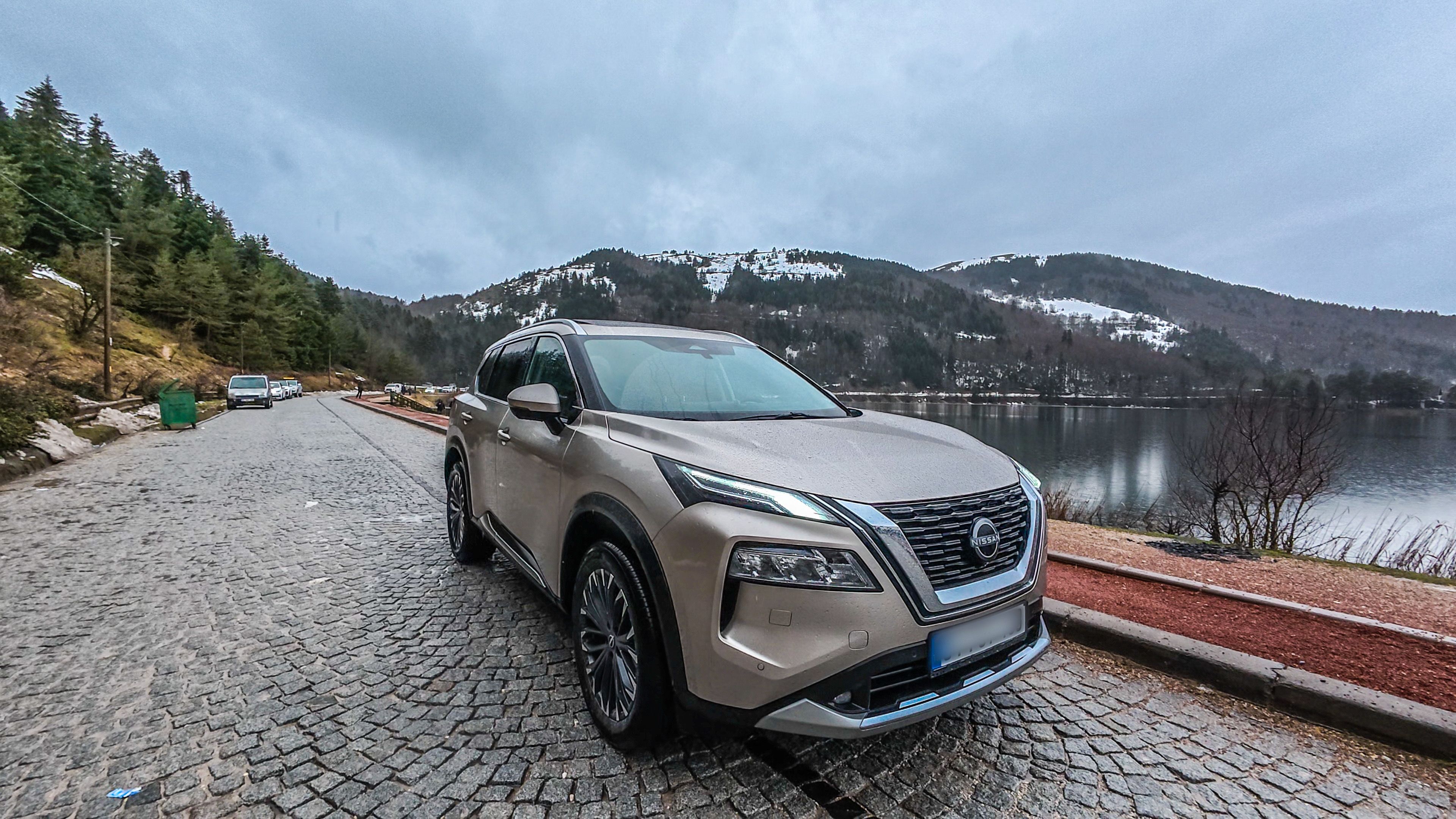
Nissan Xtrail 2025
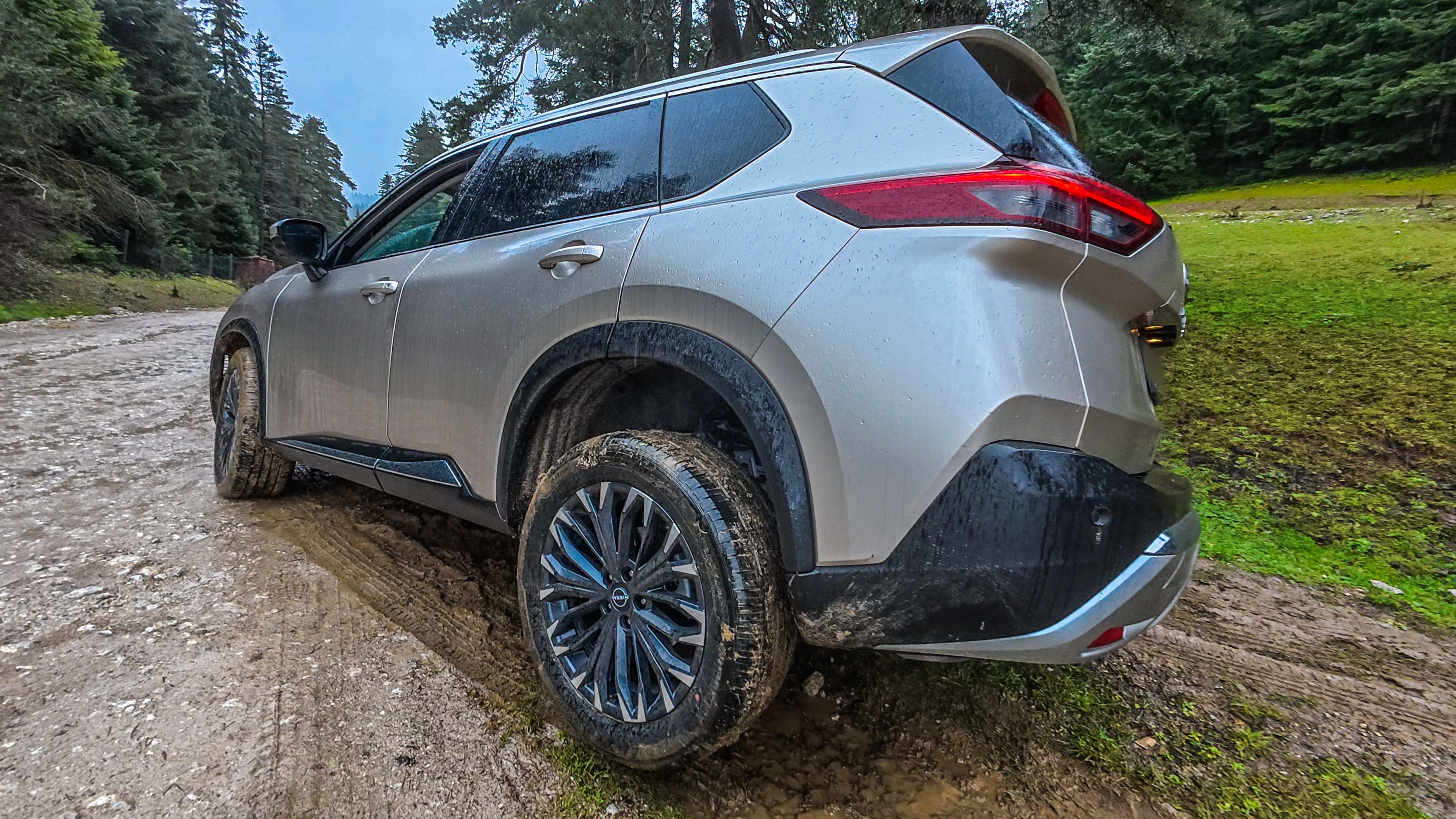
Nissan Xtrail 2025
Review Score
Drivisual Verdict
"Looking at the overall picture, the character of this car becomes very clear after our test. This is not an adventure SUV; it is a comfortable and efficient large family SUV focused on city and highway use. On the engine side, the focus on efficiency is clearly noticeable. Performance is more than sufficient for daily driving, relaxed on long journeys, and fuel consumption is genuinely impressive considering the vehicle’s size and the test conditions. It’s fair to say the brand’s efficiency-focused approach achieves its goal here. In terms of driving, the car inspires confidence, offers strong long-distance comfort, features some of the best driver assistance systems in its class, and provides a spacious living area suitable for family use. Its ability to keep you relaxed on long trips is one of its biggest strengths. However, the picture is not completely flawless. The lack of AWD, the absence of true off-road modes, missing convenience features like walk-away auto lock, and a multimedia experience that slightly trails its rivals occasionally weaken the “premium family SUV” feeling. In addition, the CVT transmission character may not appeal to every driving preference. When we put all the pros and cons together, the X-Trail becomes a very sensible choice if expectations are set correctly. If your priorities are city usability, long-distance comfort, safety technologies, and low fuel consumption, this car will most likely satisfy you. But if you expect a true off-road SUV experience, you should approach it knowing there is a gap between its bold appearance and its real-world usage character."
Pros
- Excellent long-distance comfort and relaxing driving character
- One of the best-performing safety and driver-assistance systems in its class
- 1.5 VC-Turbo + mild-hybrid combo is very efficient
- Impressive fuel economy considering the vehicle size and test conditions
- Spacious rear cabin, very suitable for family use
- Rear heated seats and rear climate control are great family-friendly features
- Bose sound system and 360° camera quality are very good
- Physical climate and audio controls improve usability while driving
Cons
- No AWD / 4x4 option
- No real off-road drive modes (snow, mud, etc.)
- CVT transmission character may not suit everyone
- Infotainment system slightly behind competitors
- No walk-away auto lock
- No ventilated seats
- Most vehicle settings are controlled from the instrument cluster instead of the infotainment screen
- Rugged SUV look doesn’t fully match its real usage character
Technical Specifications
Detailed Data
The Nissan X-Trail shares much of its structure with the Qashqai, tested in 2021. Additional tests have been done where necessary but, otherwise, the results of the Qashqai have been used for this assessment.
This test is performed by km77.com. Results may vary depending on vehicle version and tires.
WLTPFuel Consumption
| Driving Scenario | Consumption (L/100km) |
|---|---|
| Low Speed | 9 L |
| Medium Speed | 7.6 L |
| High Speed | 6.9 L |
| Extra High Speed | 8 L |
| COMBINED | 7.1 L |