
Tesla Phantom Braking Explained: Causes, Risks & Real Solutions
As autonomous driving technologies continue to evolve, advanced driver assistance systems have become one of the most talked-about topics in the automotive world. At the center of this transformation is Tesla. However, with innovation comes controversy—and one of the most debated issues is “Phantom Braking.”
So, what exactly is Phantom Braking in Tesla vehicles? Why does it happen, and is it truly dangerous? Let’s explore everything in detail.
What Is Phantom Braking?
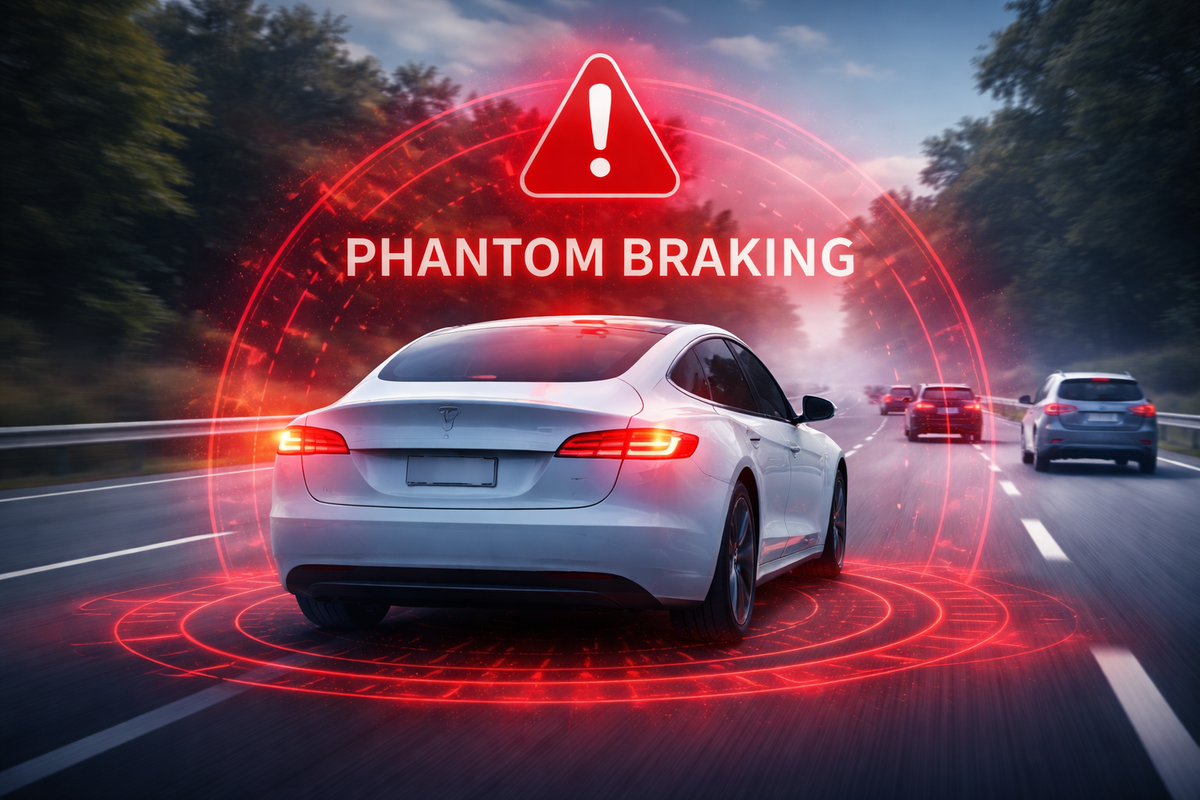
Phantom Braking refers to a situation where a vehicle suddenly applies the brakes without any visible obstacle on the road. This issue typically occurs when driver assistance systems such as Autopilot or Full Self-Driving (FSD) are active.
From a driver’s perspective, this behavior is both unexpected and risky because it can:
- Increase the risk of rear-end collisions
- Significantly reduce driving comfort
- Undermine trust in autonomous driving systems
Why Does Phantom Braking Happen?
There is no single cause behind Phantom Braking. In most cases, it results from sensors and AI systems misinterpreting the driving environment.
1. Visual Misinterpretations (False Positives)
Camera-based systems may incorrectly detect obstacles due to:
- Shadows from bridges or overpasses
- Road surface marks or stains
- Sudden lighting changes (e.g., sun glare)
2. Removal of Radar (Tesla Vision)
Tesla has transitioned some models to a camera-only system known as Tesla Vision, removing radar sensors.
While this approach simplifies hardware, some users associate it with an increase in Phantom Braking incidents.
3. Software Limitations and Updates
Both Autopilot and Full Self-Driving (FSD) rely heavily on software updates. Certain versions may introduce:
- Decision-making errors
- Inconsistent object detection
4. Weather and Road Conditions
Environmental factors can significantly affect system accuracy:
- Heavy rain
- Fog
- Night driving
These conditions can reduce camera visibility and lead to incorrect braking decisions.
How Dangerous Is Phantom Braking?
In most cases, Phantom Braking involves brief and moderate deceleration. However, more aggressive braking events have also been reported.
Potential risks include:
- Rear-end collisions
- Multi-vehicle accidents on highways
- Sudden driver panic reactions
For this reason, Tesla emphasizes that its systems are not fully autonomous and that drivers must remain ready to take control at all times.
Most Dangerous Scenarios for Phantom Braking
Not all Phantom Braking events carry the same level of risk. Certain conditions make the issue significantly more dangerous:
- High-speed highway driving
- Tunnel entrances and exits (sudden light changes)
- Under-bridge shadows
- Night driving combined with rain
- Dense traffic with short following distances
In these scenarios, sudden braking can:
- Increase the likelihood of rear-end crashes
- Trigger chain-reaction accidents
Why Are Tesla Owners Complaining About It?
Phantom Braking is one of the most criticized aspects of Tesla’s driving experience.
Common complaints from Tesla owners include:
- Unexpected and unnecessary braking
- Reduced confidence on highways
- Disrupted driving comfort
Some users summarize the issue as:
“The car makes decisions on its own—and they’re not always correct.”
This highlights a broader issue: trust in autonomous driving technology is still evolving.
How Is Tesla Addressing the Problem?
Tesla is actively working to reduce Phantom Braking through several strategies:
1. Over-the-Air (OTA) Updates
Vehicles receive continuous software updates that:
- Improve AI models
- Reduce false detections
2. Neural Network Training
Driving data collected from millions of miles helps improve decision-making accuracy.
3. Driver Feedback
User reports play a key role in identifying and fixing system weaknesses.
Is It Only Tesla? What About Other Brands?
Although Phantom Braking is often associated with Tesla, similar issues can occur in other advanced driver assistance systems.
Notable alternatives include:
- Mercedes-Benz – Drive Pilot
- BMW – Driving Assistant Professional
- Ford – BlueCruise
The key difference lies in sensor strategy:
- Many brands use sensor fusion (camera + radar + lidar)
- Tesla focuses primarily on camera-based AI systems
As a result:
- Phantom Braking may be reported more frequently in Tesla vehicles
- However, it is not exclusive to Tesla
How Can Drivers Reduce Phantom Braking?
While it cannot be completely eliminated, drivers can minimize the risk by:
- Increasing following distance on highways
- Staying attentive when using Autopilot
- Taking manual control in critical situations
- Keeping software up to date
How to Test Phantom Braking (Safely)
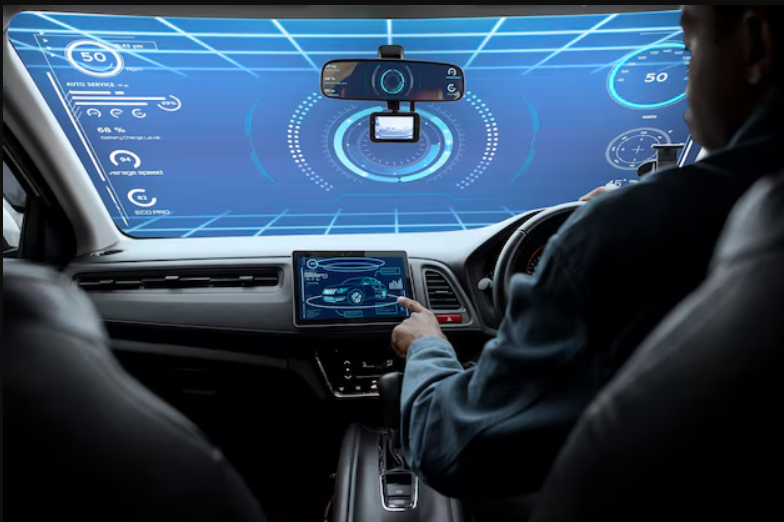
If you want to observe system behavior, testing should always be done under safe conditions.
Recommended setup:
- Low-traffic, open roads
- Consistent speed with Autopilot active
- Hands on the wheel at all times
What to monitor:
- Sudden braking events
- System warnings
- Repeated behavior in specific locations
⚠️ Important: Always be ready to take control immediately.
Will Phantom Braking Be Solved in the Future?
As autonomous driving technology advances, Phantom Braking is expected to decrease thanks to:
- More advanced AI models
- More powerful processors
- Sensor fusion (camera + radar + lidar)
However, completely eliminating the issue remains challenging with current technology.
Phantom Braking: Pros and Cons
Advantages:
- Overly cautious systems may prevent potential accidents
- Early risk detection
Disadvantages:
- Unnecessary braking
- Loss of driver confidence
- Reduced driving comfort
Is Phantom Braking an Inevitable Part of Autonomous Driving?
Phantom Braking highlights the fact that autonomous driving systems are still not perfect. While Tesla is a leader in innovation, these challenges are part of the broader evolution of the industry.
Final Thoughts:
- Phantom Braking is a real issue
- In most cases, it is manageable
- Driver attention remains essential