
Tesla Glass Roof Cracking Issue: Causes, Risks, and Prevention
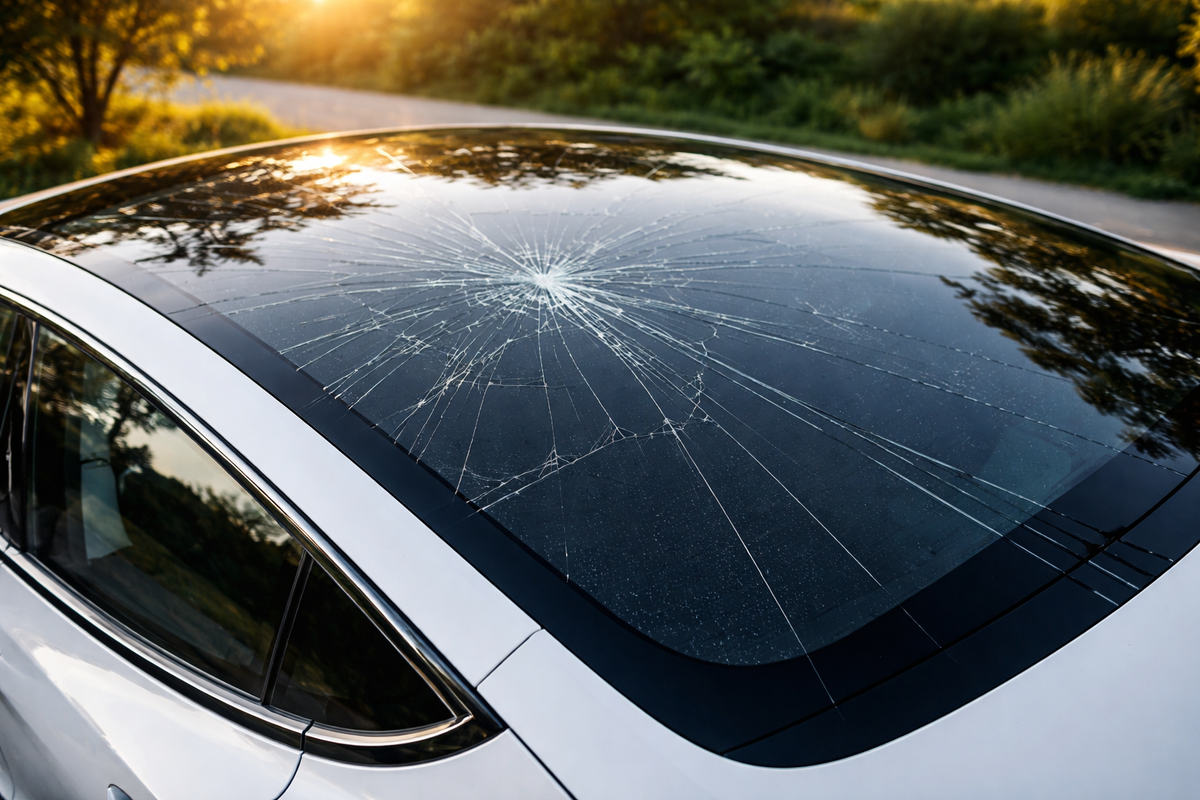
One of the first brands that comes to mind when talking about electric vehicles is Tesla, known for its innovative design and advanced technology. One of the most striking elements of this design philosophy is the large panoramic glass roofs. Especially in Tesla Model 3 and Tesla Model Y, this feature has become standard, offering a spacious cabin experience while also raising an unexpected concern for some users: glass roof cracking.
In this article, we comprehensively cover what the Tesla glass roof cracking issue is, why it happens, under which conditions it occurs, and how it can be prevented.
What Is the Tesla Glass Roof Cracking Issue?
Some Tesla owners have reported sudden cracking or shattering of the glass roof while the vehicle is parked or in motion. What makes this issue particularly notable is the claim that it can occur without any external impact.
These incidents typically present as:
- A sudden “popping” sound
- Spiderweb-like cracks across the glass surface
- Small, localized fracture points
Why Does the Glass Roof Crack?
Tesla glass roofs are manufactured using high-strength tempered glass, and in some models, laminated glass technology. However, under certain conditions, these materials can still crack.
1. Temperature Differences (Thermal Stress)
Glass is sensitive to sudden temperature changes. For example:
- Extreme heat during summer
- Rapid cooling from air conditioning inside the vehicle
These conditions can create stress on the glass surface.
2. Manufacturing Defects or Micro Imperfections
Although rare, small imperfections formed during production can expand over time and lead to cracking.
3. External Factors (Stone Chips, Debris, etc.)
Even small stones hitting the glass at high speeds can create micro-damage. Over time, this damage may develop into visible cracks.
4. Installation and Chassis Stress
Minor alignment issues in the vehicle body can place pressure on the glass panel. This effect can increase especially during:
- Driving over speed bumps
- Rough or uneven roads
Which Tesla Models Are Affected?
The glass roof cracking issue has been most commonly reported in:
- Tesla Model 3
- Tesla Model Y
More rarely, similar complaints have also been observed in:
- Tesla Model S
- Tesla Model X
What Does Tesla Say About This Issue?
Tesla states that in most cases, glass breakage is caused by external factors. However, some users have reported that replacements were covered under warranty.
Key considerations include:
- Accurate identification of the damage source
- Service inspection results being निर्णative
User Experiences and Ongoing Discussions
Many Tesla owners have shared similar experiences across global forums and social media platforms. The most common points raised include:
- Claims of spontaneous cracking
- Service centers attributing damage to user-related factors
- Uncertainty around warranty coverage
This indicates that the issue remains controversial and not fully settled.
How to Prevent Glass Roof Cracking
While it may not be possible to completely eliminate the risk, the following precautions can help reduce it:
Avoid Sudden Temperature Changes
If the vehicle is very hot, turn on the air conditioning gradually.
Protect the Vehicle Roof
Park in open but safe areas instead of under trees (to avoid falling objects).
Apply Protective Film (PPF)
Transparent protective films applied to the glass can provide additional resistance against impacts.
Regular Inspection
Detecting small cracks early can help prevent larger breakages.
What to Do If the Glass Roof Cracks?
- Minimize vehicle usage
- Schedule an appointment with an authorized service center
- Take photos of the damage (for documentation)
- Check your insurance coverage
Glass Roof Replacement Cost (2026)
Tesla glass roof replacement costs may vary by country, but typically range between:
- $500 – $1,500 USD
In countries like Turkey, prices may be higher depending on exchange rates and service costs.
Is It a Real Problem or Overhyped?
The Tesla glass roof cracking issue is real but its prevalence is debatable. Rather than being a widespread chronic defect affecting all vehicles, it appears to be:
- Condition-dependent
- Often linked to external factors
Still, it is important for Tesla Model 3 and Tesla Model Y owners to stay informed and cautious about this issue.