
Renault Clio 6: What’s New? Early Impressions from Europe
Renault Clio 6: What’s New? Early Impressions from Europe
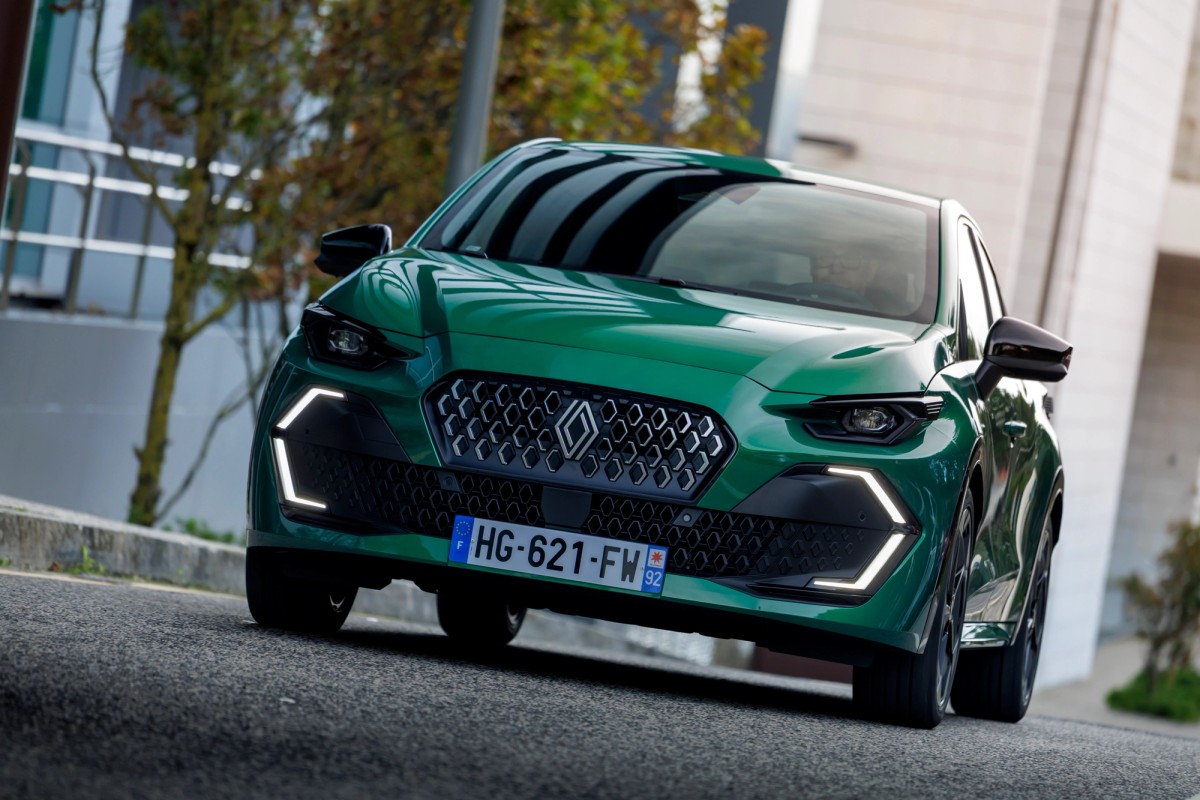
Renault’s long-standing B-segment contender, the Clio, has entered its sixth generation and is now on European roads. While the model represents an evolution rather than a radical reinvention, Clio 6 introduces notable updates in design, technology and refinement.
This article is not a full road test. Instead, it offers a general overview of the new Clio 6, based on official information and early feedback from European users.
Design: The Gilles Vidal Signature
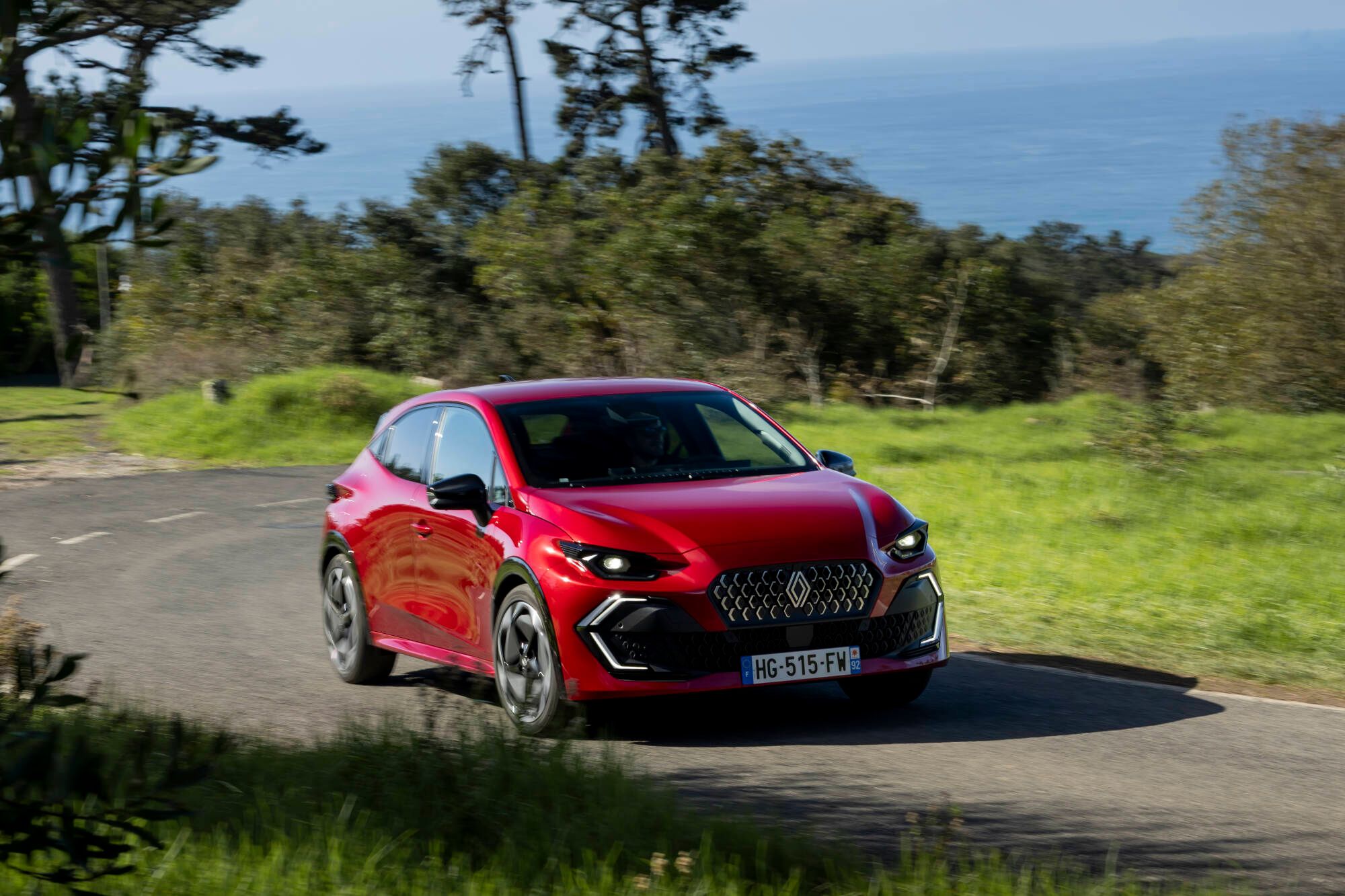
The overall vision and design direction of the new Renault Clio 6 were shaped by the renowned designer Gilles Vidal, who later transferred to Stellantis ahead of the model’s launch. However, the individual responsible for the car’s more aggressive exterior lines and the designer who effectively signed off on the project is Exterior Design Leader Vadim Gilca. The radical design shift was ultimately approved at the executive level by Laurens van den Acker.
A more assertive front end, cleaner rear design and refined brand details give the Clio 6 a more mature and confident appearance compared to the Clio 5, without abandoning the model’s familiar proportions.
Renault Clio 6
Interior and Perceived Quality
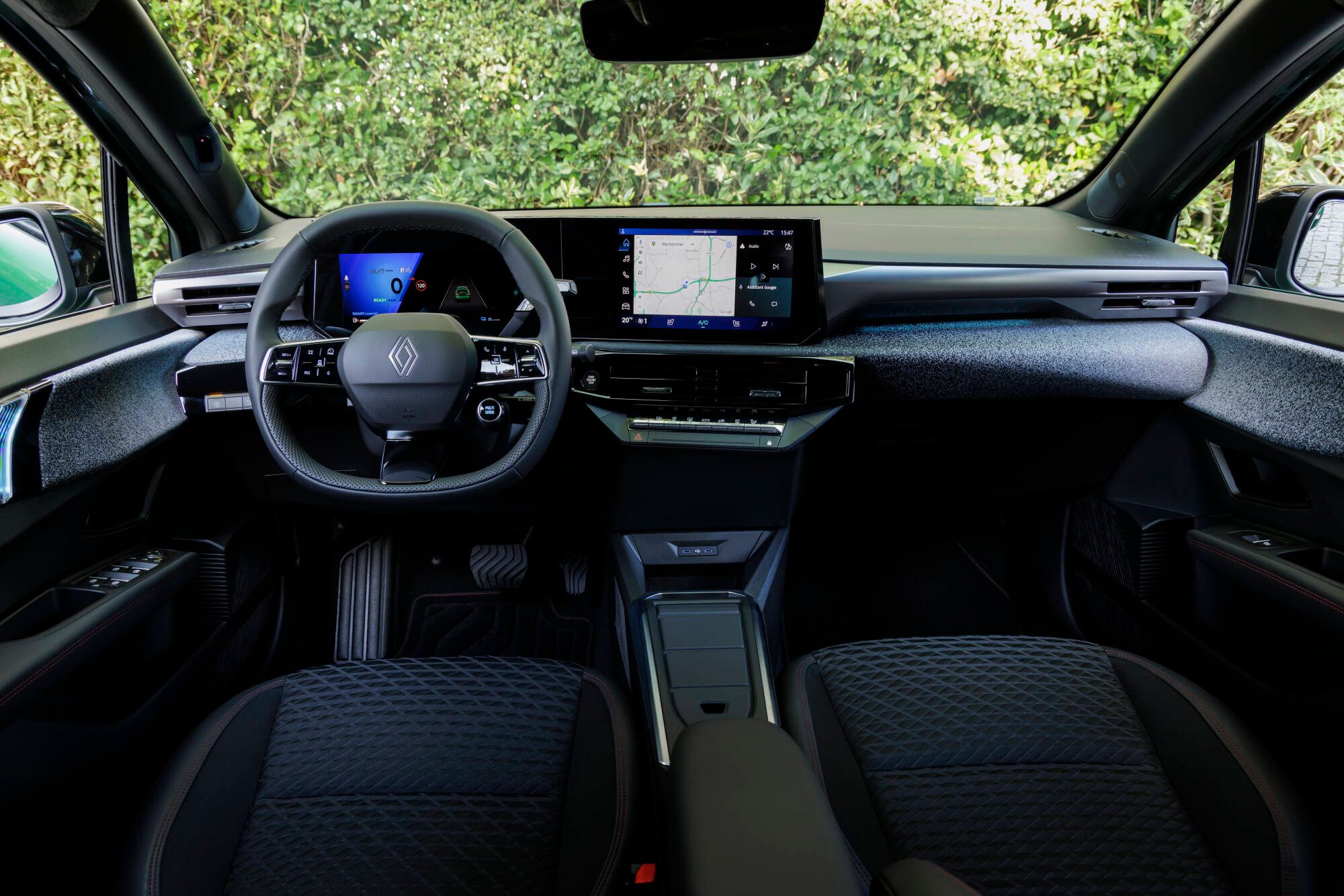
With the Clio 5, Renault made a clear step forward in interior quality, and Clio 6 builds on that foundation while introducing more sustainable materials.
Renault Clio 6 Interior
However, early European feedback has not been entirely positive. A widely shared real-world video from Europe highlights concerns around material rigidity and fit quality, particularly on door panels and lower dashboard sections. In this footage, certain interior parts appear to flex more than expected, sparking discussion about cost-saving measures.
As a result, while the cabin feels more modern and visually improved, perceived quality remains one of the most debated aspects of the Clio 6 among early European users.
video : https://www.instagram.com/reels/DSQQH4NjjQ7/
Digital Cockpit and OpenR Link
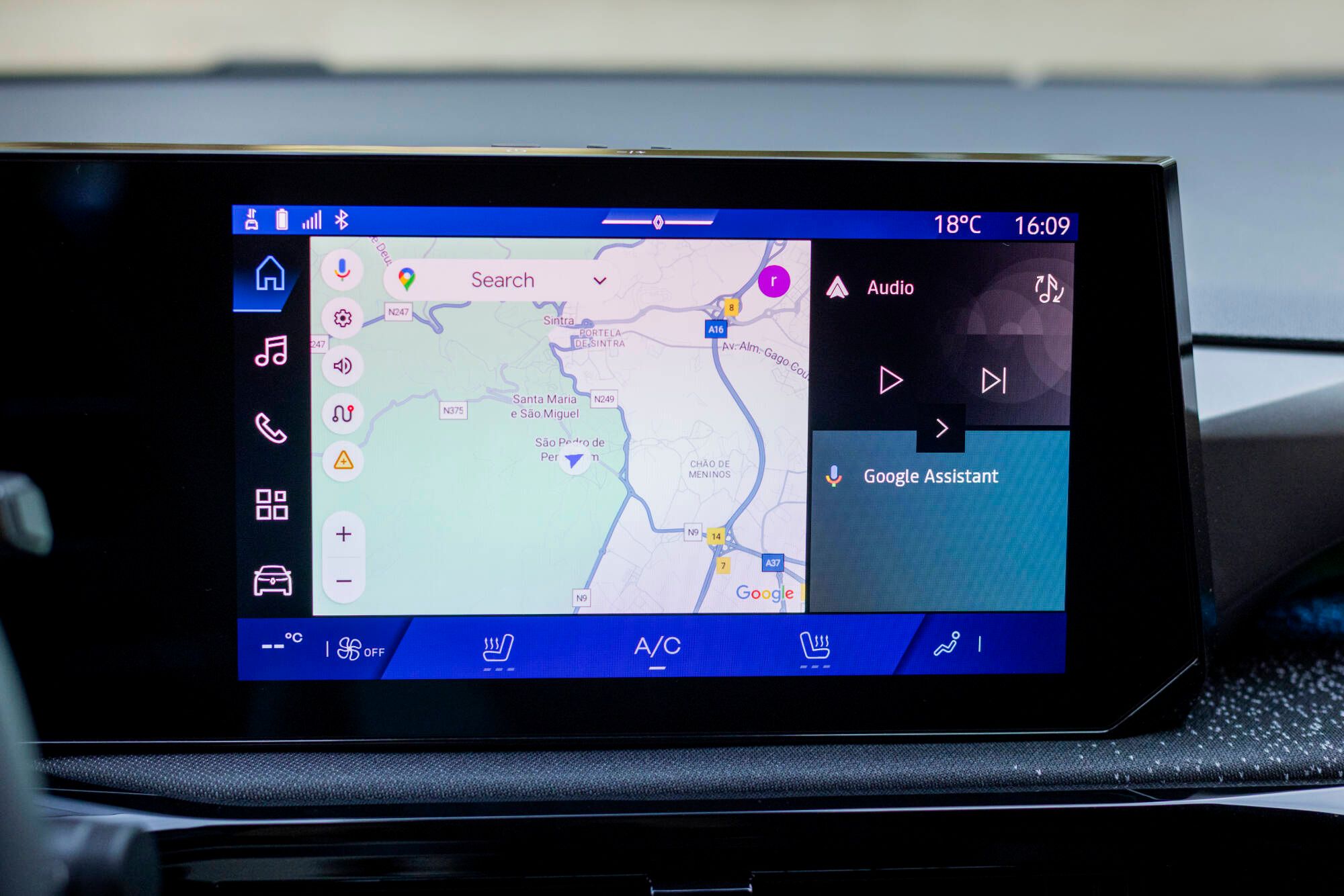
One of the biggest changes inside the Clio 6 is the digital cockpit layout.
The previous vertical tablet-style screen has been replaced by Renault’s OpenR Link architecture, familiar from models like the Megane E-Tech.
Key highlights include:
- A horizontal or L-shaped integrated display layout
- Google Built-in services (Google Maps, Google Assistant, Play Store)
- A cleaner, faster and more modern user interface
On paper, the system positions the Clio 6 among the most advanced infotainment offerings in the B-segment.
Renault Clio 6 OpenR Link
Gear Selector: The Move to E-Shifter
The traditional center-mounted gear lever is gone. In the Clio 6, it has been relocated to the steering column as an electronic shifter.
This change frees up space in the center console, allowing for:
- Additional storage
- A wireless charging area
- A more open and airy front cabin layout
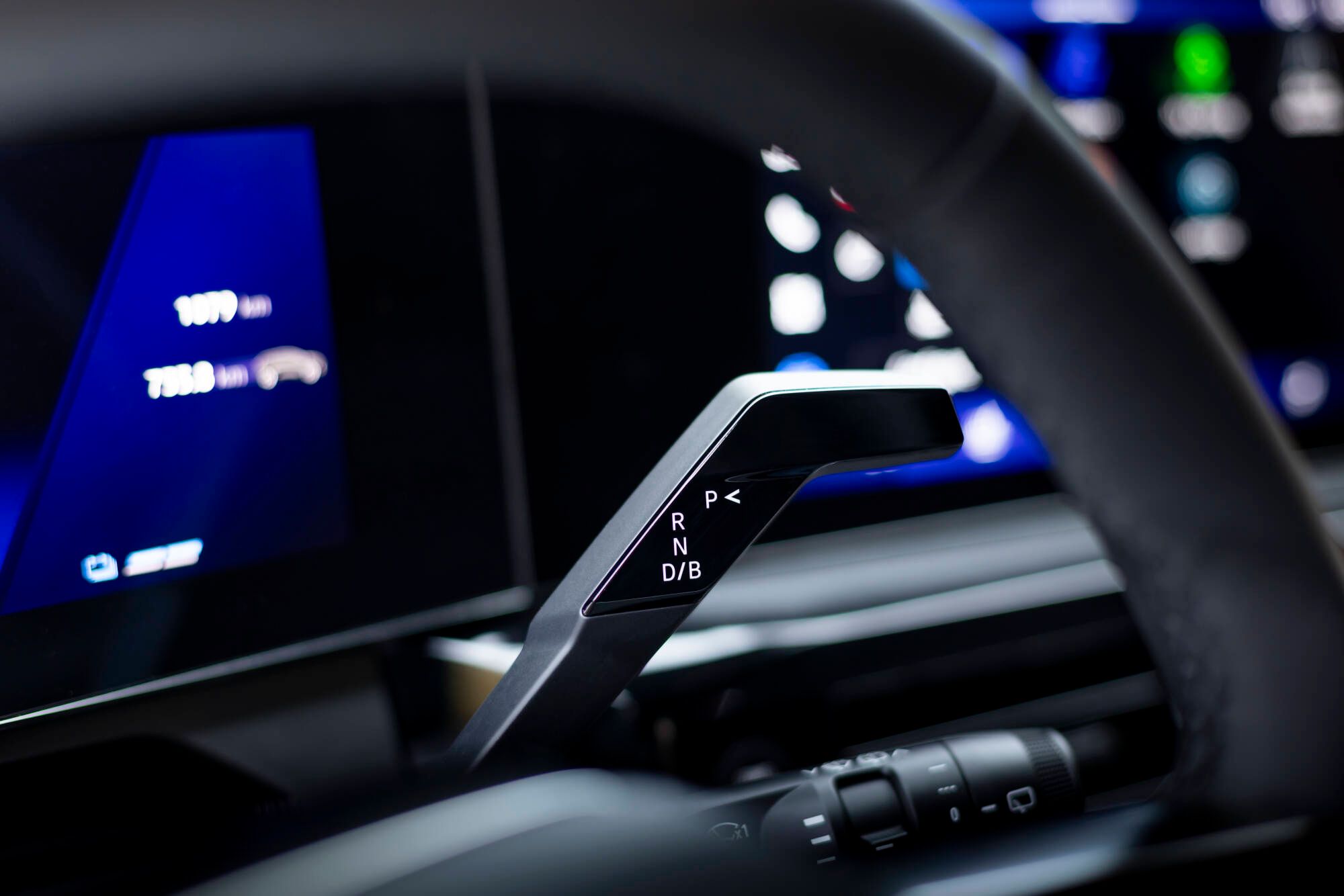
Renault Clio 6 E-Shifter
While the concept is generally well received, some users note that the covered storage area replacing the gear lever feels less premium than expected.
Boot Capacity
Boot space in the Clio 6 varies significantly depending on the powertrain.
- E-Tech Hybrid versions: 309 litres
- Petrol versions: 391 litres, matching the Clio 5
The reduced capacity in hybrid models is a direct result of battery packaging and has become one of the most frequently criticised points among European users.
There is no powered tailgate, but the rear seats can be folded to extend load capacity when needed.
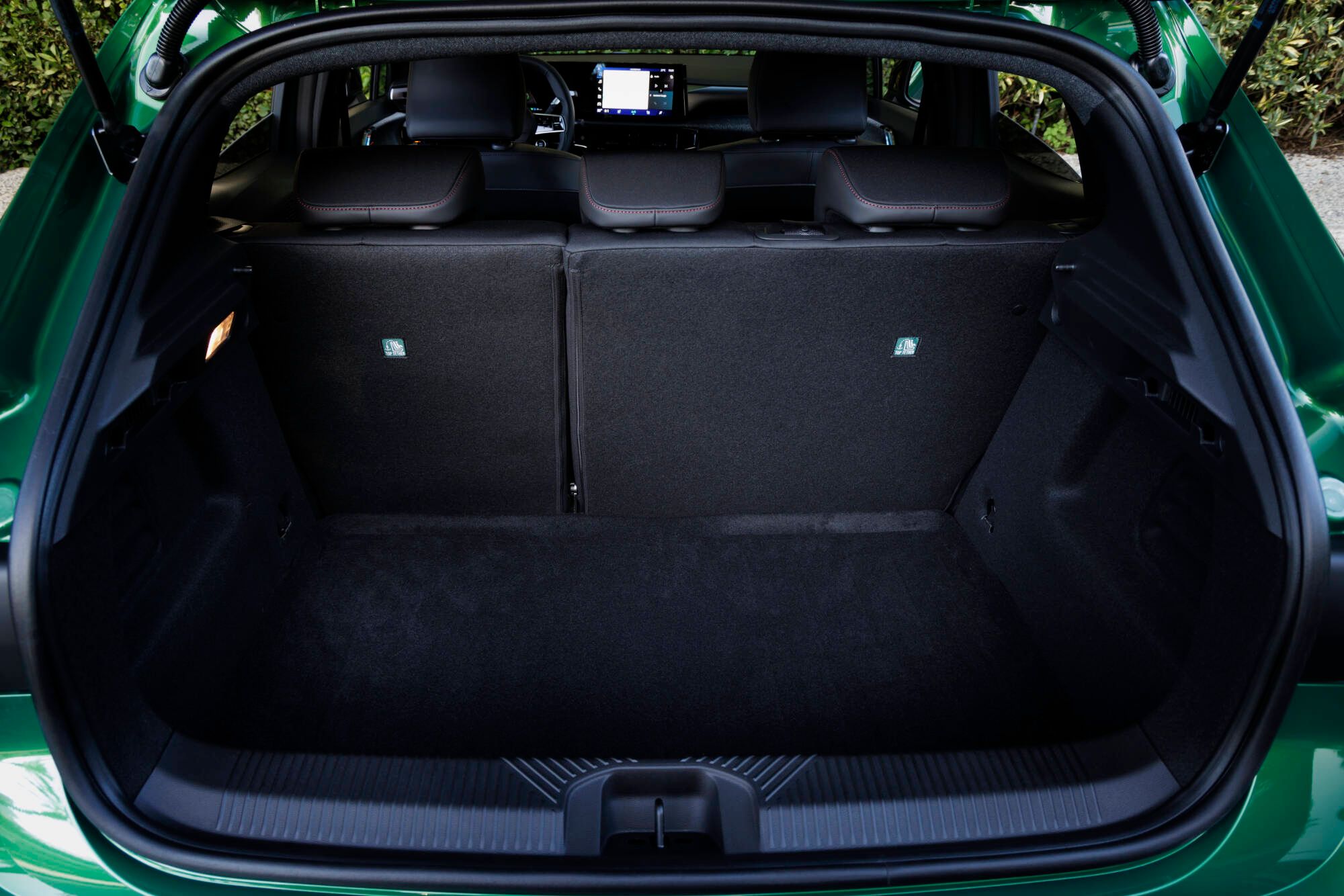
Renault Clio 6 Boot Capacity
Rear Seat Space
Because the Clio 6 remains on the CMF-B platform, rear seat legroom and headroom are largely unchanged from the Clio 5. Overall passenger space remains competitive but not class-leading.
However, improvements in seat cushioning and upholstery quality have been noted, making the rear seats feel slightly more comfortable, particularly on longer journeys.
In short, rear space is sufficient for urban use and small families, but taller adults may still find it limited.
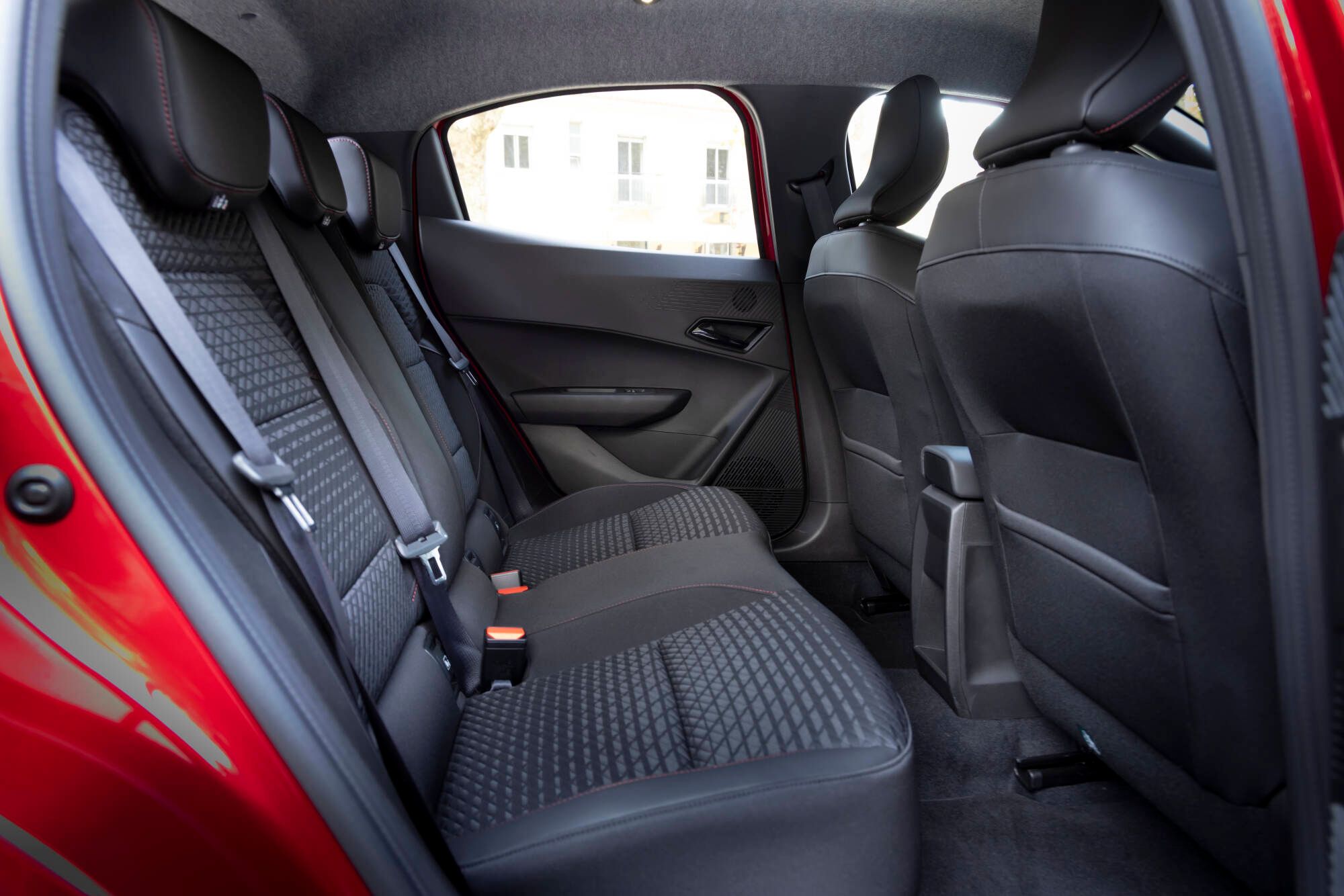
Renault Clio 6 Rear Seat Space
Powertrains and Hybrid Technology
At the top of the range sits the 1.8-litre E-Tech Hybrid, combining one internal combustion engine with two electric motors and Renault’s multi-mode automatic transmission.
Below this, the Clio 6 lineup also includes a 1.2-litre turbo petrol engine, offered in mild-hybrid configurations for European markets. This engine focuses on lower emissions and improved efficiency while maintaining familiar petrol driving characteristics.
With an approximately 1.4 kWh battery, the full hybrid system allows for extended electric driving in urban conditions, enabling an official fuel consumption figure of around 3.9 l/100 km (WLTP).
Overall, the powertrain range highlights Renault’s clear focus on efficiency and everyday usability rather than outright performance, particularly in European city driving.Aerodynamics
Aerodynamic efficiency has also been improved.
The Clio 6 achieves a drag coefficient of 0.30, compared to 0.32 for the Clio 5. While the numbers may seem small, this improvement positively affects fuel efficiency, noise levels and high-speed stability.
Production and Equipment Highlights
- All Renault Clio models sold globally are produced in Turkey
- Alpine trim levels offer premium touches, including a Harman Kardon sound system
- The key design remains familiar, with subtle colour-matched detailing
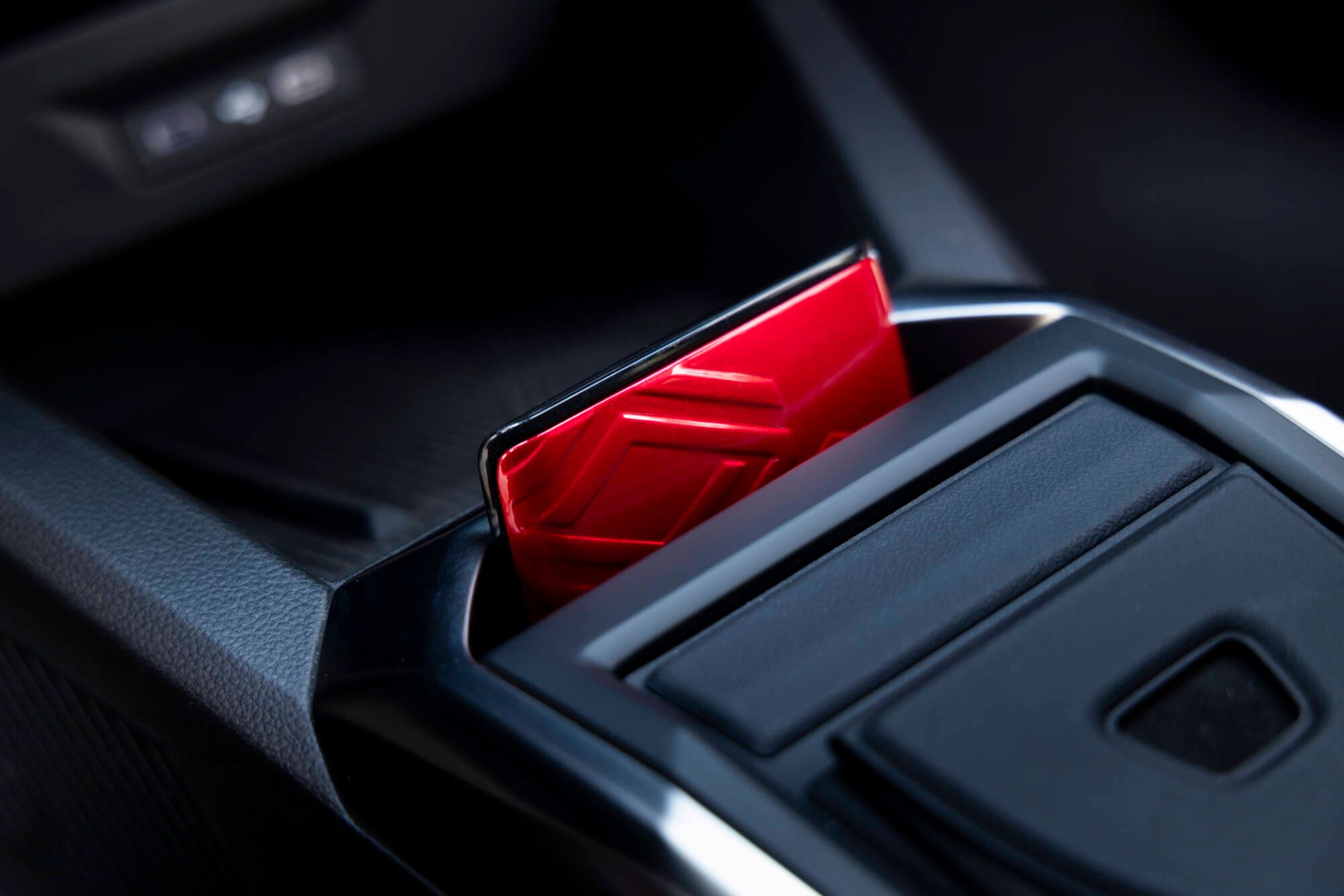
Renault Clio 6 Key
- With up to 29 ADAS features, the Clio 6 ranks among the most safety-focused cars in its class
Digital Instrument Cluster
The digital instrument cluster in the Clio 6 offers far greater customisation than before.
While only a limited number of layouts are shown in official visuals, overall display variety and configurability are clearly improved compared to the previous generation.
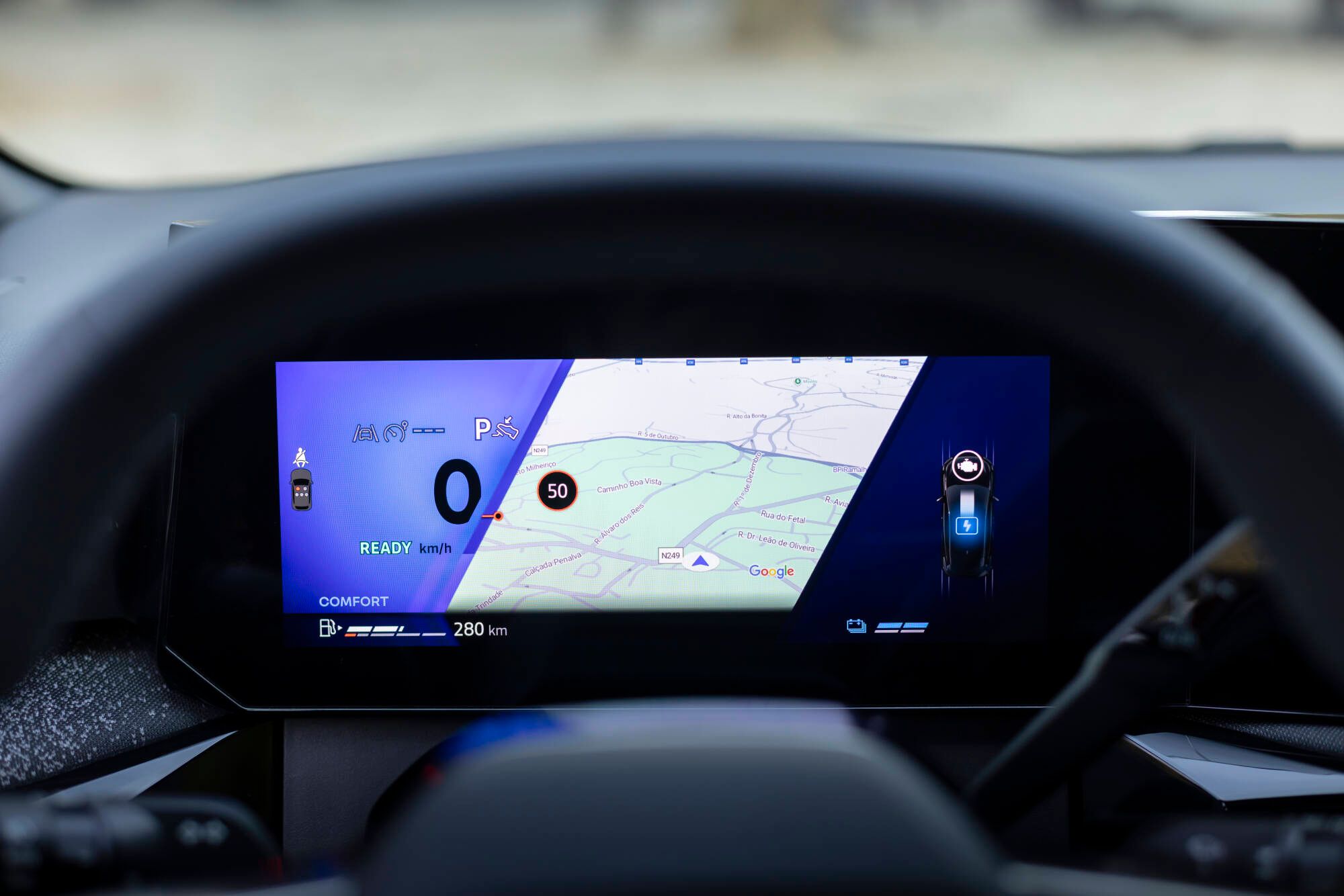
Renault Clio 6 Digital Instrument Cluster
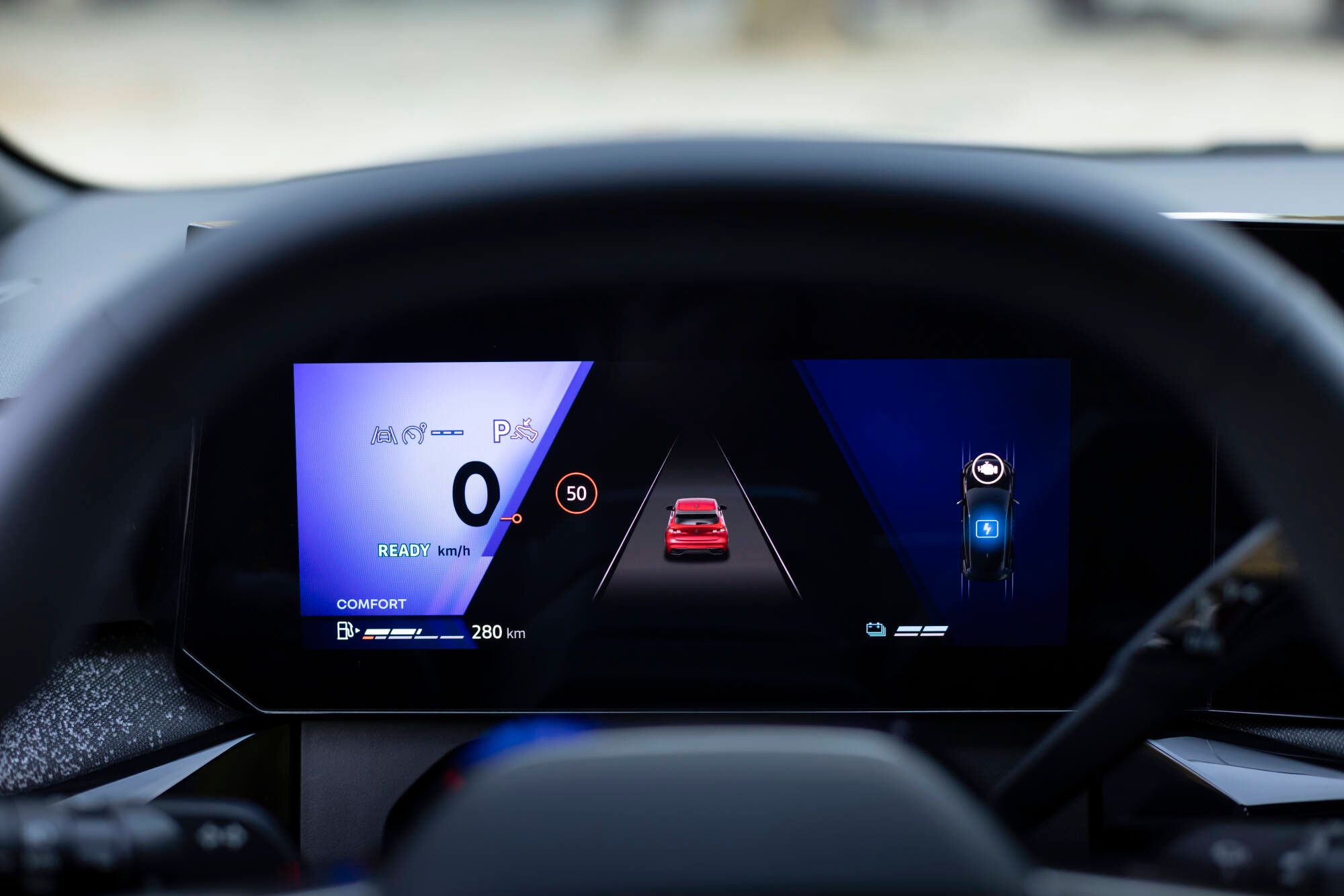
Renault Clio 6 Digital Instrument Cluster
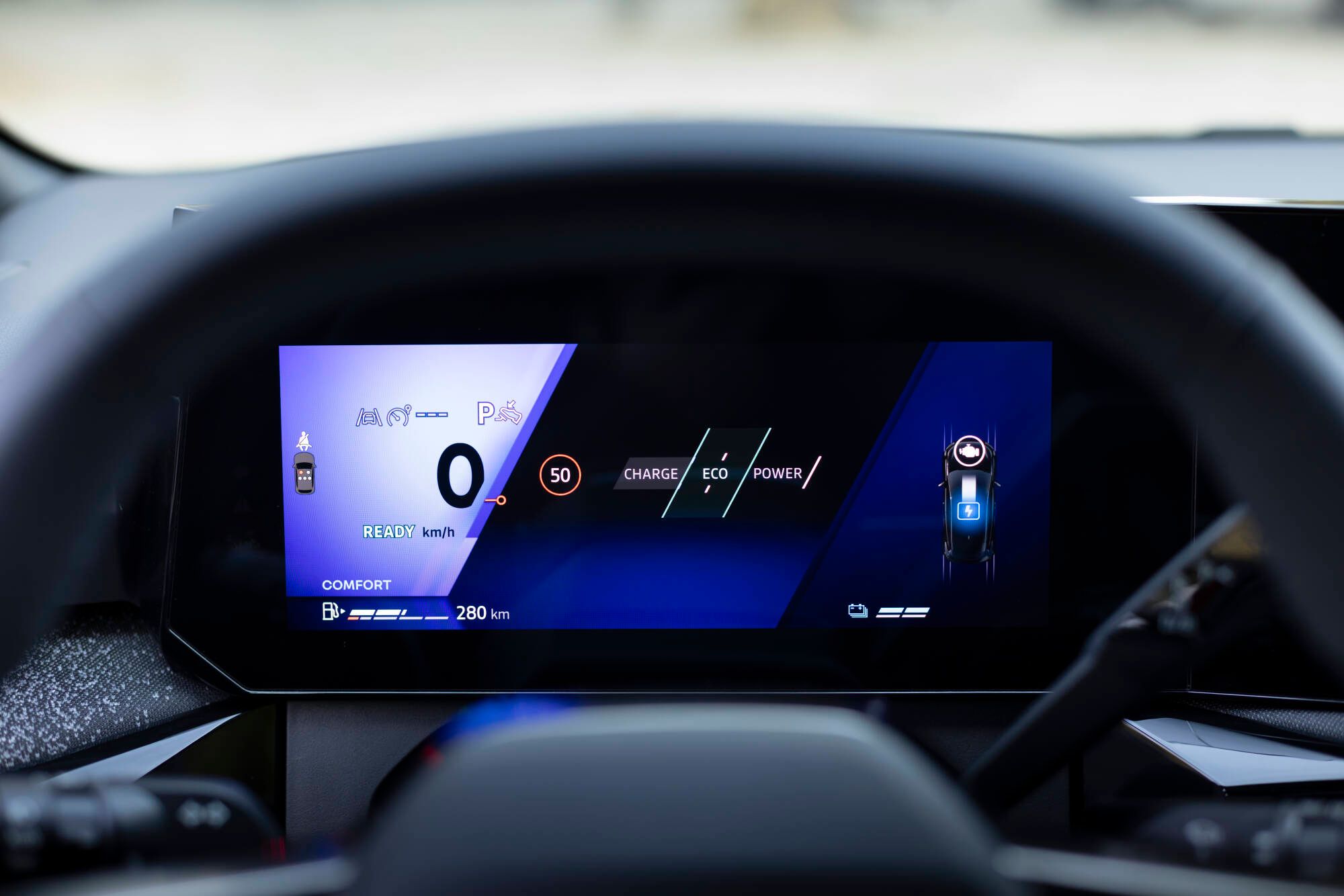
Renault Clio 6 Digital Instrument Cluster
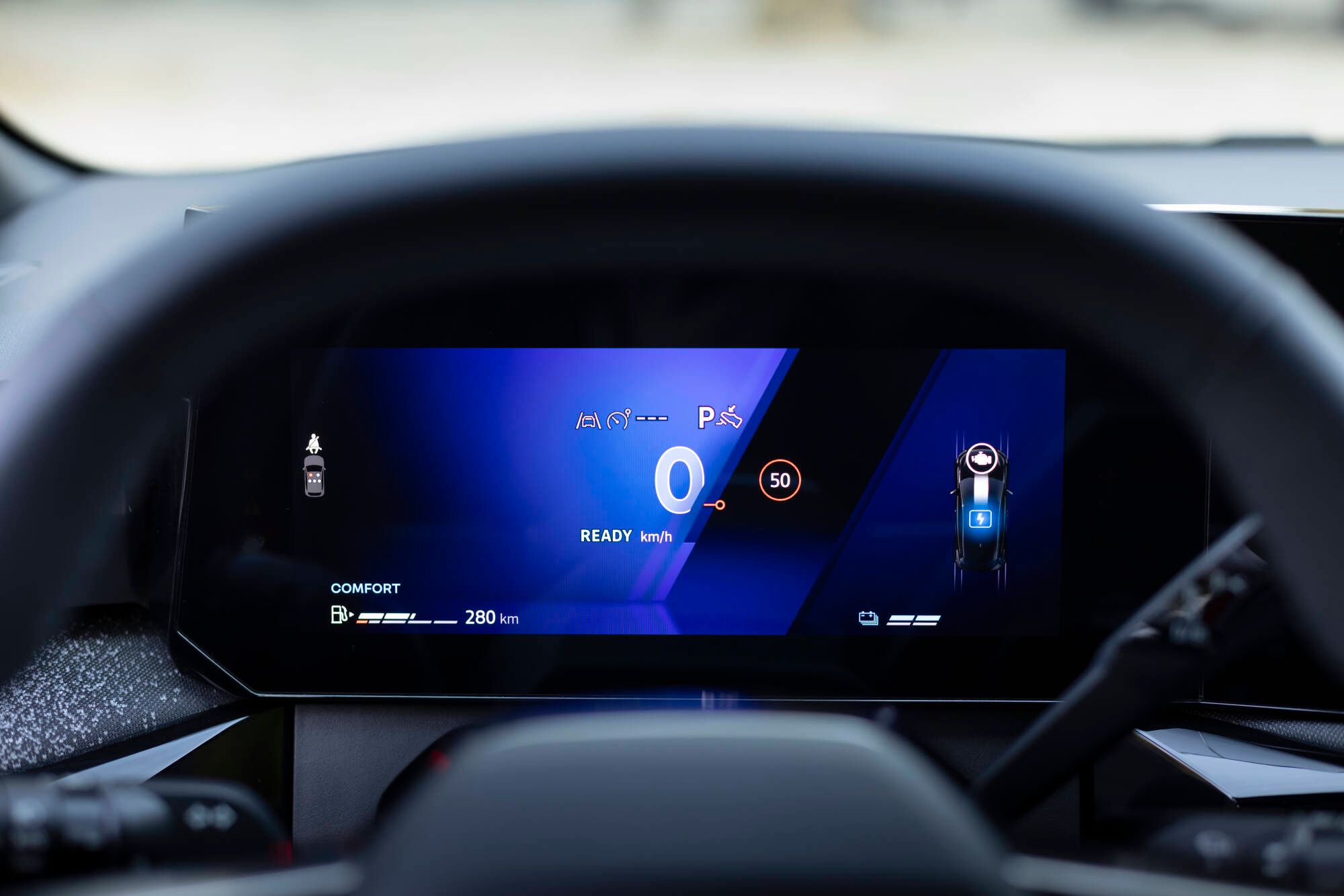
Renault Clio 6 Digital Instrument Cluster
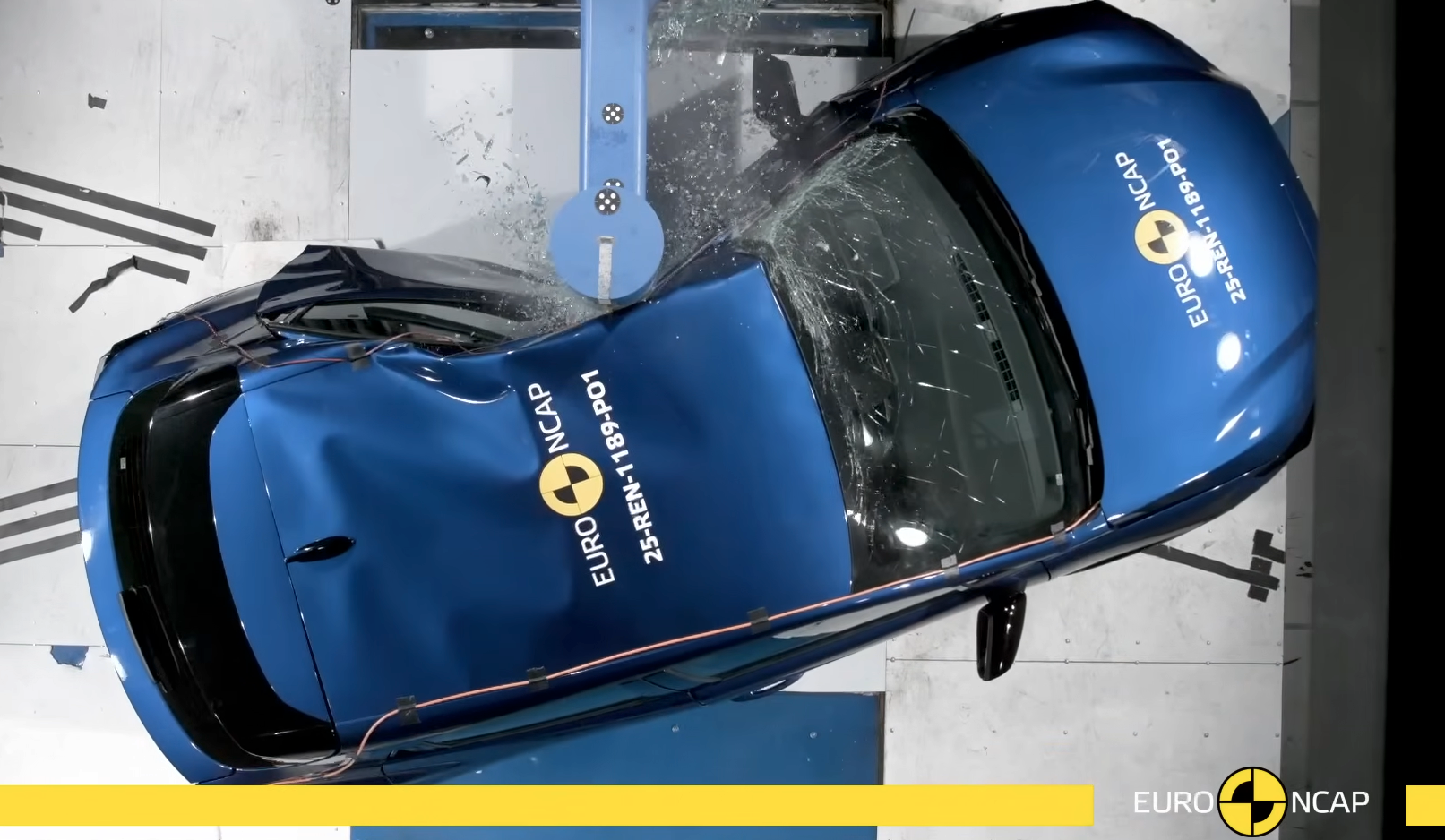
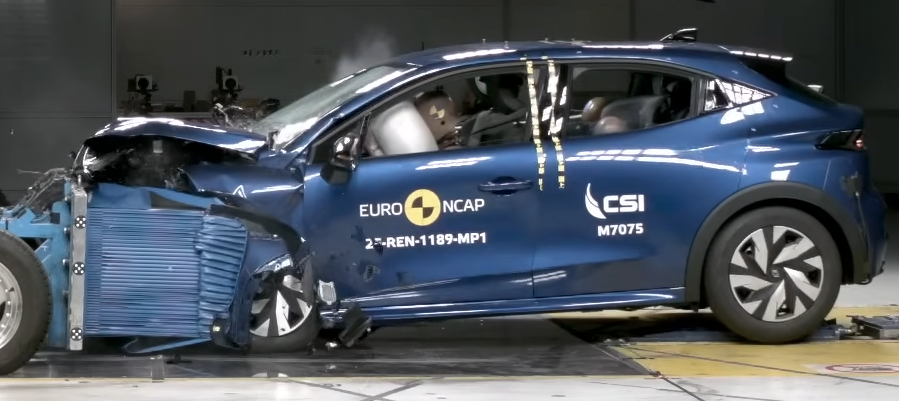
Euro NCAP Results: Why Four Stars?

Renault Clio 6 Euro Ncap
The Renault Clio 6 received a four-star rating under the stricter post-2025 Euro NCAP protocols. While this may appear disappointing at first glance, context is essential.
Modern Euro NCAP assessments now focus not only on the presence of driver-assistance systems, but also on how effectively they perform, along with more detailed injury analysis.
Scores achieved by the Clio 6:
- Adult Occupant: 79%
- Child Occupant: 82%
- Vulnerable Road Users: 80%
- Safety Assist: 73%
The Clio 6 missed a five-star rating by just one percentage point, mainly due to adult occupant chest protection and certain driver-assistance evaluations.
Test footage also shows minor deformation in the A-pillar, though the passenger cell remains structurally intact.
It is also worth noting that entry-level trims lacking certain ADAS features have a direct impact on the overall rating, while higher-spec versions are capable of scoring closer to five stars.
Renault Clio 6 Euro Ncap
Renault Clio 6 Euro Ncap
Final Thoughts
The Renault Clio 6 is a clear step forward in refinement, technology and comfort, even if it stops short of being a complete reinvention. Improvements in insulation, infotainment and hybrid efficiency stand out, while space and interior material choices remain familiar.
The four-star Euro NCAP rating reflects evolving test standards rather than a fundamental safety issue, and higher equipment levels significantly enhance the car’s safety profile.
As with many all-new generations, the Clio 6 feels like a polished evolution—one that prioritises efficiency, digitalisation and everyday comfort for modern European driving.