
Hyundai i20 Common Problems: Engine, DCT Transmission & Reliability Guide (2026)
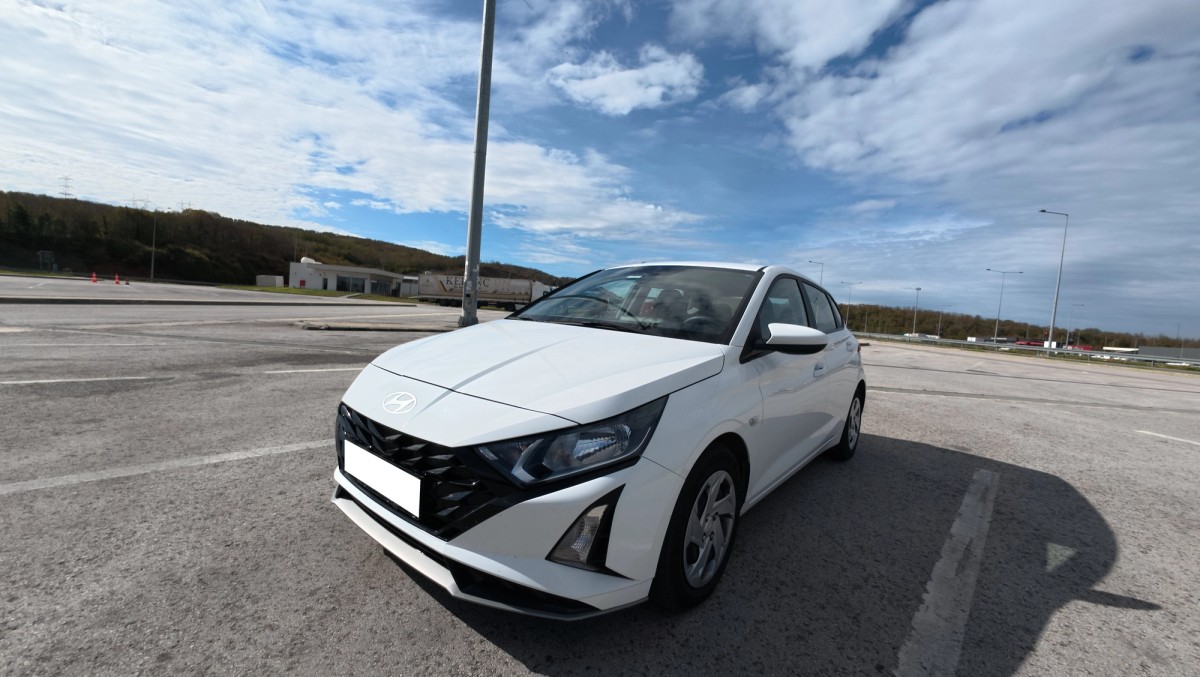
Among the most frequently reported chronic issues in Hyundai i20 models are DCT transmission shudder, turbo lag in 1.0 T-GDI engines, trim noises, multimedia screen freezes, and battery problems.
1. DCT Transmission Problems
The 7-speed DCT transmission used in the Hyundai i20 is a "dry type" automatic transmission that does not operate in an oil bath. This transmission is very fast and economical on the open road, but its biggest enemy is heavy stop-and-go traffic, such as in Istanbul.
As the vehicle inches forward in congested traffic, the clutch cannot fully engage and constantly rubs against itself, causing it to heat up. When this happens, you will see a "Transmission Overheating Warning" on the instrument panel and feel a shudder/tremor during take-offs. This error is not a manufacturing defect of the i20, but rather the general characteristic of all vehicles using dry-type transmissions. The solution is simple: leave a gap with the vehicle in front in traffic and proceed with full throttle, and hold the vehicle on hills by fully pressing the brake, not with the gas pedal.
B-Segment Comparison: The DSG transmission in the Volkswagen Polo operates with the exact same dry-type logic, so it causes similar overheating and shuddering problems in heavy traffic. The Renault Clio's X-Tronic (CVT) transmission or other competitors with fully automatic transmissions are much smoother and trouble-free in stop-and-go traffic compared to the i20. Although the i20 scores head-to-head with its competitors in general satisfaction surveys, it can tire heavy traffic users. B-Segment Comparison Score: 7/10
2. 1.0 T-GDI Engine Issues
The 1.0-liter turbocharged T-GDI engine is quite agile and powerful for its chassis, but it has chronic habits that need attention in the long run:
- Fuel Pump Failure: The vehicle may suddenly lose throttle response, experience a drop in traction, and misfire. Since this is a globally known defect, Hyundai recalled these vehicles as of August 2024 and started replacing the pumps free of charge.
- Carbon Buildup: As a result of the engine being direct-injected, black carbon (soot) accumulates in the engine valves over time (usually around 80,000 km). Traction drops and idling shudder begins. It requires special cleaning periodically.
- Ignition Coil: High heat in the engine area can damage the coils, causing the vehicle to misfire.
B-Segment Comparison: In terms of performance, it does not lack compared to the engines of the Polo (1.0 TSI) and Clio (1.0 TCe); in fact, it is much better than the 1.0 TCe, making it a very quick vehicle. However, the VW group's TSI engine runs smoother. The i20's engine is powerful and quick, meaning it can be considered satisfactory when examined among 1.0 engines. B-Segment Comparison Score: 8/10 You can click the LINK to watch my own performance test video.
3. Suspension & Interior Noise Issues
The Hyundai i20 is produced with a "sporty and stiff" suspension structure to hold the road very firmly, not be affected by the wind, and take corners safely.
While this situation increases driving pleasure, it seriously compromises comfort. You feel the bumps, manhole covers, and potholes on the roads as hard impacts inside the cabin. Over time, these hard jolts cause the plastic parts in the interior to loosen and squeak (trim noise). In addition, the "clicking" sound coming from just under the steering wheel when passing over rough roads is a famous chronic sound caused by the wear of a small plastic part in the steering column (It is fixed at an affordable price in authorized services).
B-Segment Comparison: If what you are looking for is "softness and comfort"; the Peugeot 208, Renault Clio, and especially the Volkswagen Polo absorb potholes much more softly. The i20 is one of the hardest-tempered and least flexing vehicles in its segment. B-Segment Comparison Score: 6/10
4. Electrical & Infotainment System Problems
The technological screens and wireless Apple CarPlay connection inside the vehicle are quite stylish, but the CarPlay screen can constantly disconnect or freeze due to external signal jammers or base stations while on the road.
However, the most critical and urgent problem in this section is the chronic battery drain. Especially in the 2023, 2024, and 2025 model new (facelifted) i20 vehicles, the vehicle completely consumes the battery on its own while parked at the door. Due to this situation, which creates the most grievances on complaint platforms, it is seen that even brand-new vehicles that are only 20 days or 6 weeks old do not start at all in the morning, and even their doors do not open. Regarding this electrical leakage problem, authorized services are making software updates or renewing the battery under warranty.
B-Segment Comparison: Multimedia screen freezes or CarPlay disconnections are software errors that can occasionally be seen in the Clio and Opel Corsa as well. However, the battery draining out of nowhere and a brand-new vehicle breaking down on the road is specific to the i20 for now, which is quite annoying and a huge minus point. The Volkswagen Polo and Toyota Yaris are much more reliable in this class regarding electrical-electronic stability. B-Segment Comparison Score: 5/10
Summary: The Hyundai i20 is a very assertive vehicle that can tempt you with its great exterior design, lively engine, and equipment. If you are not going to use the vehicle in very heavy stop-and-go traffic and are looking for a sporty ride that doesn't mind bouncing a little in potholes, it will make you very happy. However, I recommend making sure whether the battery drain problem in the new facelifted chassis has been resolved at the service; additionally, I recommend checking if there is a recall from the myHyundai app.