
How Euro 7 Emission Standards Will Change Automobiles
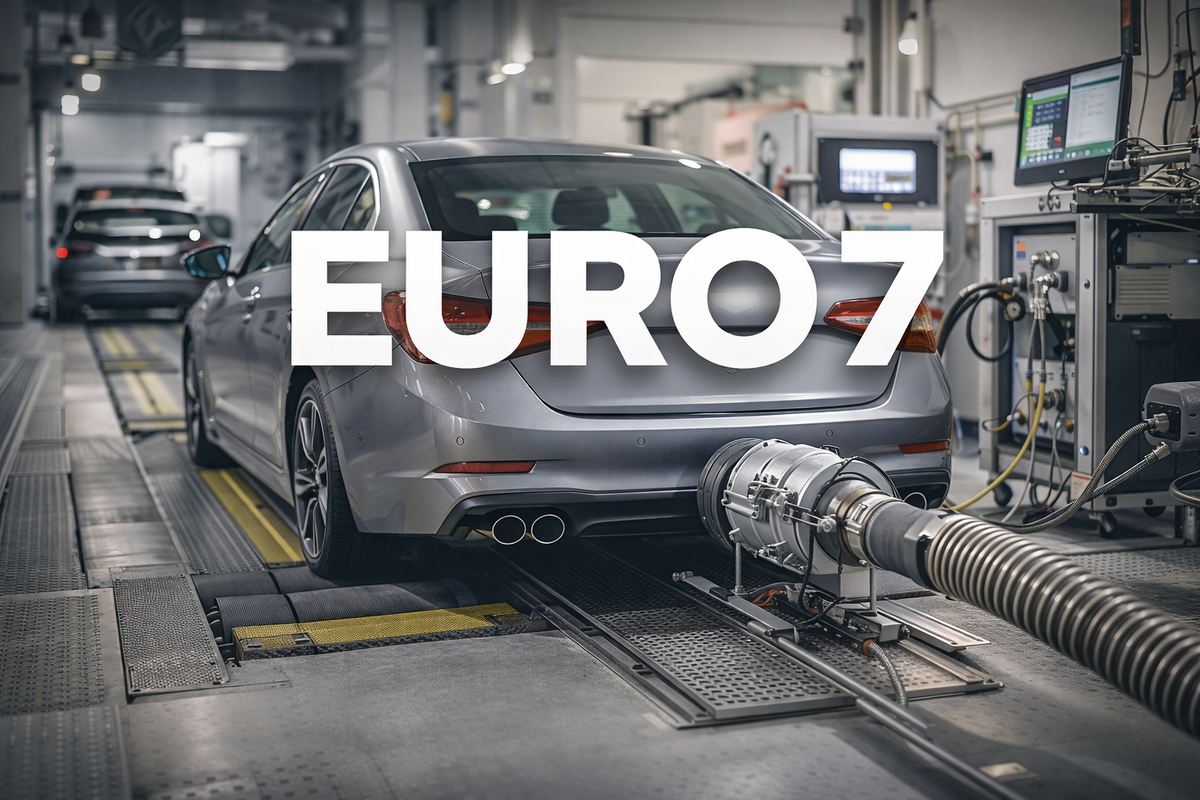
The European automotive industry is on the verge of a major transformation. Developed to reduce environmental pollution and improve air quality, the Euro 7 emission standards will fundamentally change many aspects of automobiles—from production to daily use. So what exactly is Euro 7, when will it come into force, and how will it affect car users?
In this article, we will examine in detail the changes that Euro 7 emission standards will bring to automobiles, covering aspects that concern everyone from manufacturers to drivers.
What Is the Euro 7 Emission Standard?
Euro 7 is a new emission regulation set by the European Union that limits the amount of harmful gases motor vehicles can release into the atmosphere.
This standard is a significantly stricter and improved version of the previous Euro 6 regulation.
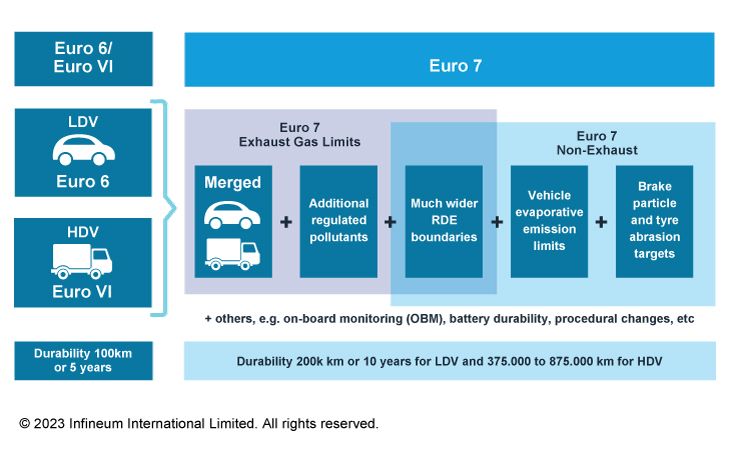
The main emissions targeted under Euro 7 include:
- NOx (Nitrogen Oxides)
- Carbon Monoxide (CO)
- Particulate Matter (PM)
- Ammonia and other harmful gases
However, Euro 7 is not limited to exhaust emissions alone. For the first time, it will also cover:
- Brake dust emissions
- Particles caused by tire wear
- Electric vehicle battery durability
When Will Euro 7 Come Into Effect?
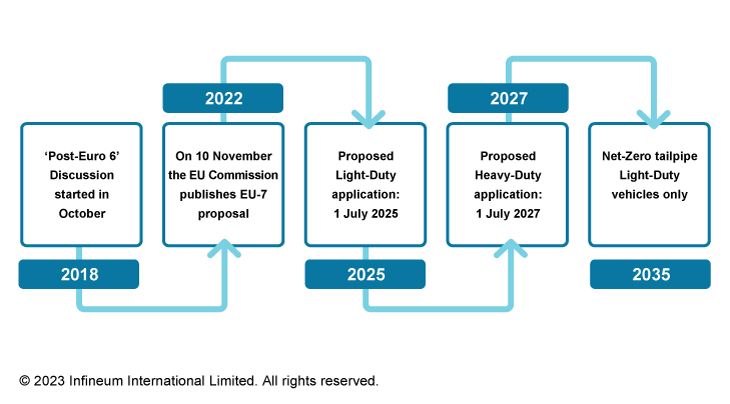
According to European Union planning, the Euro 7 standard is expected to become mandatory:
- Around 2025–2026 for new passenger cars
- After 2027 for all new vehicles
These timelines give manufacturers a preparation period to adapt to technological changes.
How Will Euro 7 Change Car Engines?
Euro 7 standards will lead to significant changes, especially in the design of internal combustion engines.
Some of the main technical changes may include:
More Advanced Exhaust Treatment Systems
Manufacturers will need to use more advanced technologies such as:
- Catalytic converters
- Particulate filters
- NOx reduction systems
Stricter Real-World Driving Tests
Euro 7 will not only rely on laboratory testing but will also require measuring emissions under real-world driving conditions.
Long-Term Emission Durability
Vehicle emission systems will need to comply with standards not only when new but also for up to 200,000 kilometers.
How Will Electric Vehicles Be Affected by Euro 7?
Euro 7 does not only target gasoline and diesel vehicles. Electric vehicles will also face several new regulations.
Key changes include:
1. Battery Durability Requirements
Electric vehicle batteries will be required to retain most of their capacity even after a certain period of use.
2. Brake Dust Limits
Micro-particles generated by braking systems will be regulated for the first time.
3. Tire Wear Emissions
Microplastic particles generated from tire contact with the road will also begin to be measured.
Will Euro 7 Affect Vehicle Prices?
Yes, most likely.
According to experts, due to Euro 7 standards vehicles will require:
- More expensive exhaust systems
- Advanced sensor technologies
- More complex engine control software
This may lead to higher vehicle costs, especially for small-class cars.
How Is the Automotive Industry Preparing for Euro 7?
Many automakers are already adjusting their strategies to comply with Euro 7.
The most notable trends include:
- Accelerating investments in electric vehicles
- Expanding hybrid engine technologies
- Gradually reducing internal combustion engines
Some manufacturers are even considering completely discontinuing small gasoline engines due to the costs associated with Euro 7 compliance.
What Does Euro 7 Mean for Drivers?
Euro 7 standards will have several important implications for car users:
- Cleaner and more environmentally friendly vehicles
- Potentially higher vehicle prices
- More advanced emission control technologies
- An increase in electric and hybrid vehicle options
In the long term, the regulation is expected to significantly improve air quality in cities.
Conclusion
The Euro 7 emission standards are considered one of the most significant regulations in the automotive industry in recent years.
The new rules aim not only to reduce exhaust emissions but also to control emissions originating from brakes, tires, and batteries.
For this reason, Euro 7 represents an important step toward a cleaner, more efficient, and more sustainable future for automotive technology.