
Best Winter Tire Recommendations (2026) – When to Install and Which Tires to Choose?
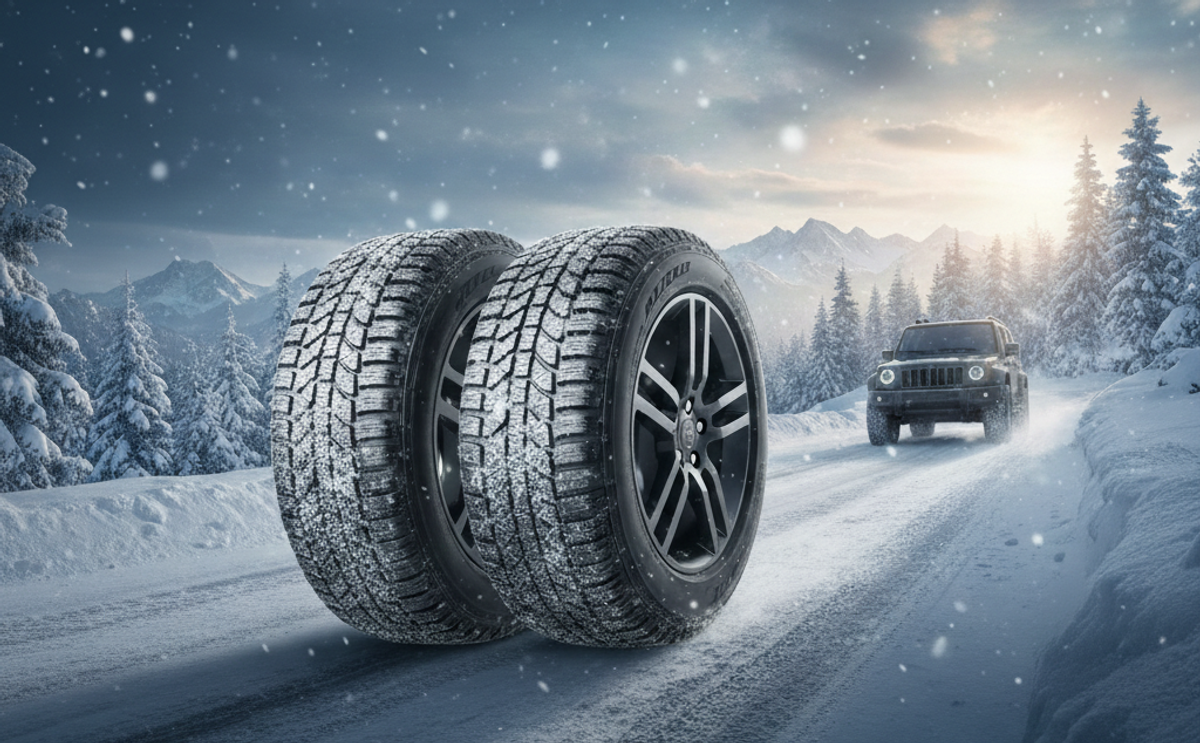
Do You Really Need Snow for Winter Tires?
Winter tires aren’t just for snow — they’re for the cold.
Modern tire technology is no longer based solely on road conditions, but on temperature. Once the ambient temperature drops below 7°C (45°F), the rubber compounds used in summer tires begin to harden significantly, leading to reduced grip, longer braking distances, and compromised safety — even on dry roads.
That’s why winter tire usage is determined by temperature, not snowfall.
Choosing the Right Tire for the Right Conditions
Tires are generally divided into four main categories based on their intended use:
🛞 1. Summer Tires
Designed for: Warm, dry, and wet conditions
Rubber compound: Optimized for higher temperatures
Best used when:
✅ Temperatures consistently above 7°C
❌ Performance drops sharply in cold weather
Once temperatures fall, summer tires lose flexibility, which directly impacts braking and cornering performance — even without snow or ice.
🍂 2. All-Season Tires
Designed for: Moderate, mixed conditions
Strengths:
✔ Light winter conditions
✔ Rainy roads
✔ Temperatures roughly between 0°C and 15°C
Limitations:
❌ Not ideal for heavy snow, ice, or extreme cold
All-season tires offer convenience, but they cannot match the safety and traction of true winter tires in harsh winter conditions.
❄️ 3. Winter Tires (Often Called “Snow Tires”)
While commonly referred to as snow tires, there is no separate technical category officially called a “snow tire.”
Professionals use the term winter tires because these tires are engineered for cold temperatures, snow, slush, and ice, not snow alone.
Key features of winter tires:
- Soft rubber compound that remains flexible in cold weather
- Aggressive tread patterns
- Superior traction and braking on snow, ice, and cold asphalt
When should winter tires be installed?
➡ When temperatures consistently drop below 7°C
➡ Before the first snowfall
Waiting for snow is a mistake — cold pavement alone is enough to overwhelm summer tires.
🪛 4. Studded Tires
Designed for: Extreme winter conditions
Best for:
❄ Heavy ice
❄ Frozen roads
❄ Mountainous or northern regions
Drawbacks:
- Increased road noise
- Faster wear on dry asphalt
- Legal restrictions in many regions due to pavement damage
📌 Studded tires are illegal or restricted in several countries and U.S. states, so regulations should always be checked before use.
The Bottom Line
- Winter tires should be installed based on temperature, not snowfall
- Below 7°C, winter tires significantly outperform summer and all-season tires
- Studded tires are reserved for extreme icy conditions and may face legal limitations
So how can you tell if a tire is a true winter tire?
That’s where tire markings come in.
Winter Tire Markings Explained
M+S, 3PMSF, and the Snowflake Symbol
Not all winter-related markings mean the same thing.
M+S (Mud + Snow)
The M+S marking indicates that a tire is designed for basic traction in mud and snow.
Commonly found on:
- All-season tires
- Some winter tires
📌 Important note:
M+S is manufacturer-declared and does not require independent testing.
M+S alone does NOT guarantee true winter performance.
3PMSF (Three-Peak Mountain Snowflake)
The 3PMSF symbol — a snowflake inside a three-peaked mountain — is the most reliable indicator of a true winter tire.
Tires with this marking:
- Pass standardized independent winter performance tests
- Meet strict snow traction requirements
- Are officially recognized as winter tires in Europe and many other regions
3PMSF certification goes far beyond the basic M+S marking, proving that the tire delivers superior grip and optimized braking performance in severe winter conditions.
Best Winter Tires of 2026
Based on Independent Tests & User Experience
This ranking combines:
- ADAC and Auto Bild test results
- Independent tire testing platforms
- Long-term real-world user feedback
All models listed below carry 3PMSF certification.
🌍 Global & European Top Winter Tires (2026)
Consistent leaders across multiple tests:
- Continental WinterContact TS 870
Exceptional balance on wet, snowy, and dry winter roads — frequent overall test winner. - Goodyear UltraGrip Performance 3
Outstanding winter braking performance, consistently top-ranked by ADAC. - Michelin Alpin 7
Long lifespan, stable traction, and excellent suitability for passenger cars and SUVs. - Pirelli P Zero Winter 2
Performance-focused winter tire designed for premium and sporty vehicles. - Bridgestone Blizzak Series
Strong wet and cold-weather performance with modern compound technology. - Nokian Hakkapeliitta R5 / VikingContact 8
Engineered for harsh Nordic winters with exceptional snow and ice grip.
🇪🇺 European Market Overview
European test organizations emphasize:
✔ Wet braking
✔ Snow traction
✔ Overall safety balance
Top performers include:
- Continental WinterContact TS 870
- Goodyear UltraGrip Performance 3
- Michelin Alpin 7
- Bridgestone Blizzak
- Nokian VikingContact / Hakkapeliitta series
🇺🇸 Top Winter Tires in the U.S. Market
Based on Tire Rack, Consumer Reports, and user data:
- Michelin X-Ice Snow – Excellent ice traction and longevity
- Bridgestone Blizzak Series – Strong ice-focused performance
- Nokian Hakkapeliitta Series – Extreme winter grip
- Goodyear UltraGrip Ice – Cold-weather stability and traction
🧊 Final Takeaway
- Test leaders: Continental, Goodyear, Michelin
- Extreme winter & ice: Nokian and Bridgestone Blizzak
- True winter tire requirement: Always look for 3PMSF certification